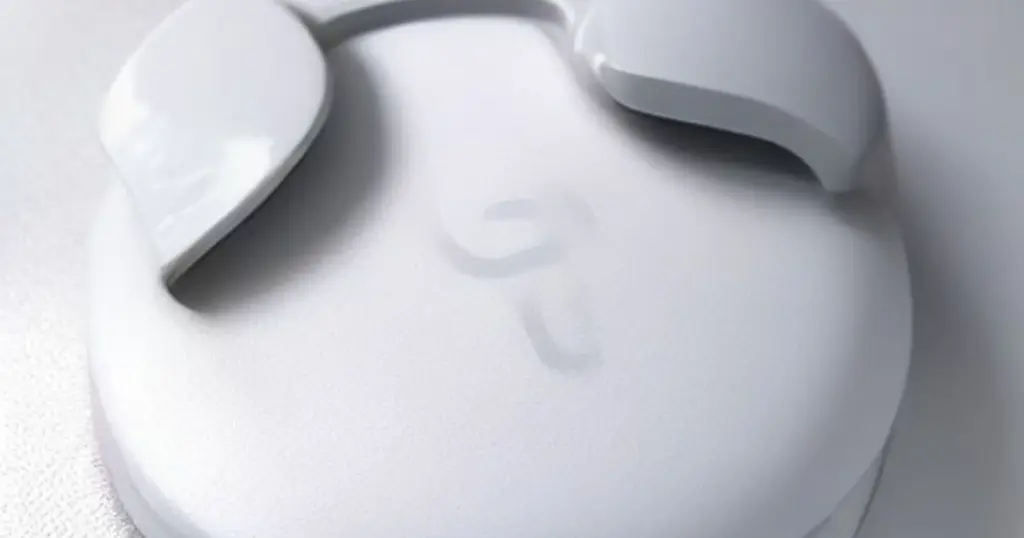
- Google has officially launched the Pixel Tag, its long-anticipated answer to Apple’s AirTag.
- Slated for release in November with a price point of $29, the Pixel Tag is positioned as a highly capable tracker.
- The introduction of the Pixel Tag comes more than two years after Google established its device-tracking network.
Google Enters Tracker Market with Pixel Tag
Google has officially launched the Pixel Tag, its long-anticipated answer to Apple’s AirTag. This new device aims to assist users in locating lost keys, bags, and other personal items by leveraging Google’s expansive Find Hub network.
Advanced Tracking Capabilities
Slated for release in November with a price point of $29, the Pixel Tag is positioned as a highly capable tracker. It integrates both ultra wideband (UWB) technology and Bluetooth 6.0 Channel Sounding. This dual-technology approach provides two distinct methods for precision tracking, ensuring users can accurately pinpoint the location of their belongings. The device also features a compact design and operates on replaceable batteries, enhancing its practicality for everyday use.
Market Competition and Ecosystem Integration
The introduction of the Pixel Tag comes more than two years after Google established its device-tracking network. Priced competitively, the Pixel Tag directly challenges existing market leaders like the AirTag, offering advanced features and seamless integration within the Google ecosystem.



I’ve been using a Tile for ages, and while it’s okay for finding keys around the house, the range often disappoints when I’m out. The idea of UWB and Bluetooth 6.0 in the Pixel Tag really excites me. My biggest concern is how well the Find Hub network will actually work in less populated areas. Apple’s network is massive, so Google has a big hurdle. My tip for early adopters: test it in a variety of locations, not just your home, to see how robust the network truly is for you.