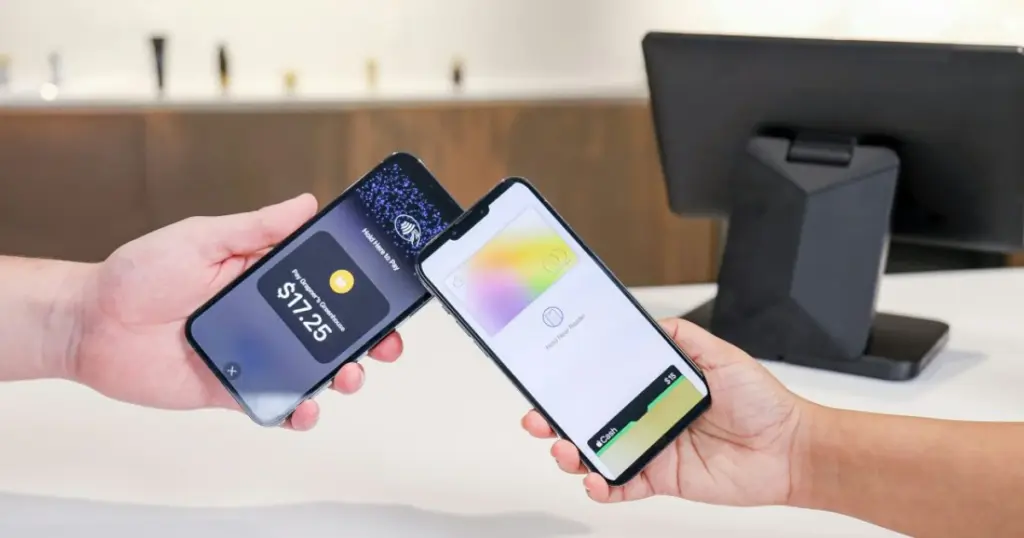
- The UK’s Competition and Markets Authority (CMA) states Apple still hinders the emergence of Apple Pay alternatives.
- Developers report that Apple’s current NFC access terms are not practical for developing competitive payment solutions.
- The regulator is calling for Apple to lower fees and offer more favorable terms to foster competition.
CMA Challenges Apple’s NFC Restrictions
The UK’s Competition and Markets Authority (CMA) has asserted that Apple continues to make it excessively difficult for third-party developers to launch alternatives to Apple Pay, despite previously loosening its control over access to the NFC chip embedded in iPhones. According to the CMA, developers have indicated that the compromise terms offered by Apple still do not render it practical to develop competitors to Apple Pay.
Unfavorable Conditions for Rival Services
The CMA highlights that Apple’s fees and rules are impeding UK fintechs and other businesses from innovating and expanding. The regulator has received feedback from UK companies suggesting that Apple’s existing NFC access arrangements may not be commercially viable, and that its fees and other terms could be onerous. Furthermore, the varying technical approaches across different countries and platforms are complicating efforts to scale and compete effectively.
CMA’s Proposals for Change
The UK antitrust watchdog has outlined proposals designed to compel Apple to open up the NFC technology in the iPhone to a broader range of third parties, under more favorable terms. This initiative aims to address Apple’s near-monopoly on contactless NFC smartphone payments and stimulate greater competition in the market.
Should the CMA’s proposals be enacted, iPhone users in the UK could gain access to a wider array of contactless payment options beyond Apple Pay, potentially leading to reduced fees and the emergence of new, innovative services. For developers, this would unlock new opportunities to create competitive products on the iOS platform.



While the CMA’s push for open NFC access is understandable, I wonder about the practical implications for security and user experience. Opening up the NFC chip to numerous third parties could introduce significant new vulnerabilities, and the article doesn’t really address how Apple could maintain its robust security standards. Also, managing multiple payment apps on the same chip might lead to a fragmented and confusing user experience, potentially negating some of the benefits of increased competition.