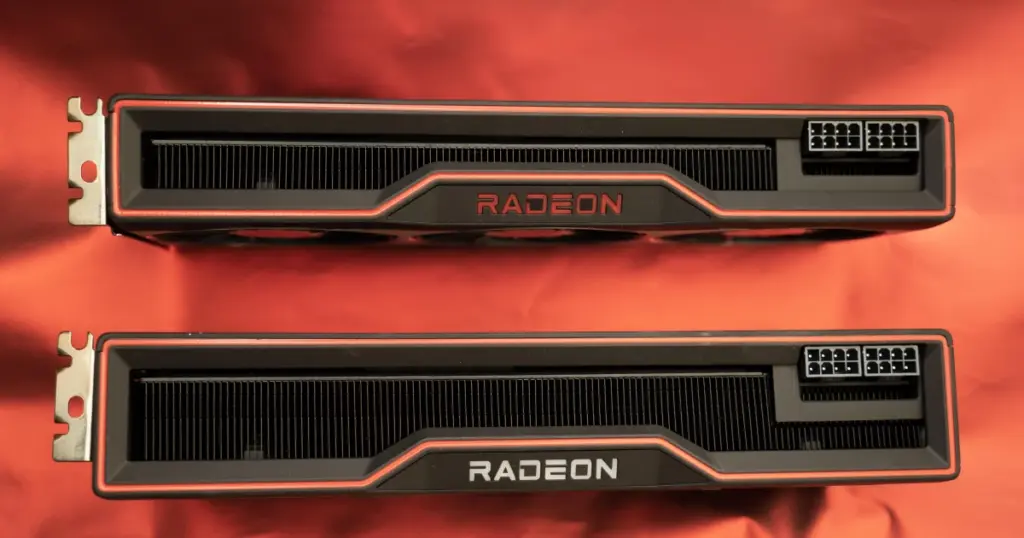
- AMD has released an optional Adrenalin Edition 26.11.1 driver update for Radeon RX 7000-series graphics cards and above.
- The update addresses a critical bug that caused excessive data writes to system drives, potentially degrading SSD health.
- Some AMD GPU owners reported SSD health dropping by up to 1% per month due to the issue.
AMD Releases Optional Driver Update to Fix Excessive SSD Writes
AMD has rolled out an optional software update, AMD Software: Adrenalin Edition 26.11.1, to rectify a significant bug that was causing excessive data writes to Solid State Drives (SSDs). This issue had been reported by numerous users, leading to concerns about accelerated wear and reduced lifespan for their storage devices.
Details of Adrenalin Edition 26.11.1 Update
The new driver specifically targets two problems identified as triggers for the excessive data writes to the system drive during normal PC usage, including idle states. According to AMD’s release notes, the update fixes “excessive writes to the system drive” at idle for Radeon RX 7000-series graphics cards and above.
Reports from some AMD graphics card owners indicated their SSD health was deteriorating by as much as 1% per month, highlighting the severity of the bug. While AMD’s official statement focuses on the RX 7000-series and newer, some user reports have also mentioned RX 6000-series cards being affected, leaving uncertainty regarding a potential fix for older models.
Optional Update Status and Known Issues
The 26.11.1 update is an optional release, meaning users must manually download and install it. This approach is common for AMD when deploying urgent fixes between major driver releases. Despite addressing the critical SSD write issue, this interim driver still lists several known issues primarily related to game performance.
AMD notes potential crashes and driver timeouts in various titles, including Assassin’s Creed Black Flag Resynced, War Thunder, and Cyberpunk 2077 (with FSR enabled). Additionally, “visual corruption may appear on character hair” when playing Phantom Blade Zero on Radeon RX 9000 series graphics products. However, the number of these known issues is either consistent with or fewer than those in the previous driver release, with the exception of the Phantom Blade Zero bug.
Driver Version Comparison
| Parameter | Previous Drivers (Pre-26.11.1) | Adrenalin Edition 26.11.1 |
|---|---|---|
| Excessive SSD Write Issue | Present | Fixed |
| Affected GPUs (AMD Stated) | Radeon RX 7000-series and above | Radeon RX 7000-series and above |
| Affected GPUs (User Reports) | Radeon RX 6000-series, RX 7000-series and above | Radeon RX 6000-series, RX 7000-series and above (fix for 6000-series unconfirmed) |
| Update Status | Standard Release | Optional Update |
| Known Game Issues | Multiple crashes/timeouts | Fewer crashes/timeouts, Phantom Blade Zero visual corruption |
For owners of AMD Radeon RX 7000-series graphics cards and newer, and potentially those with RX 6000-series cards experiencing unexplained SSD degradation, downloading and installing the optional AMD Software: Adrenalin Edition 26.11.1 update is highly recommended. This action is crucial to prevent further unnecessary wear and tear on your SSD, potentially extending its lifespan. While it is an optional update, its installation is vital for safeguarding your storage hardware against excessive writes. Users should be aware of minor potential game-specific issues, but the benefits for hardware longevity generally outweigh these temporary inconveniences.



Finally! I’ve been seeing my SSD health drop consistently on my RX 7800 XT system, and I knew something was off. It’s been about 0.5% a month for me, which is still too much. I’m glad they’ve pushed a fix, even if it’s optional. I’ll be installing this immediately. My only concern is the reported game performance issues; hopefully, they’re minor for the games I play. For others, always check your drive health with something like CrystalDiskInfo to monitor before and after the update.