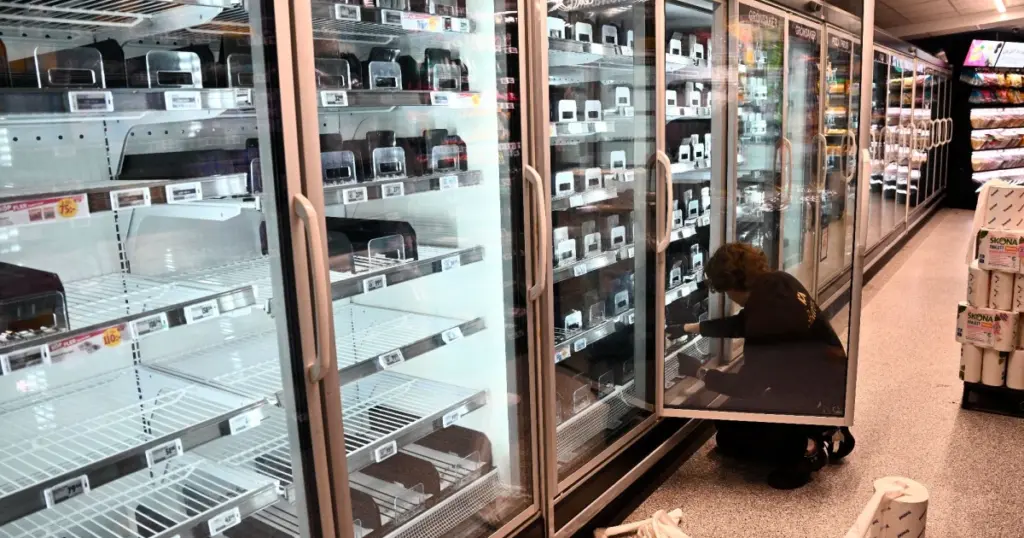
- A second wave of cyberattacks has hit supermarket refrigeration systems across Belgium, Sweden, Ireland, Luxembourg, and Estonia.
- Hackers remotely elevated freezer temperatures to 50°C, causing widespread food spoilage and millions of dollars in losses.
- Major chains like Delhaize, Carrefour, Spar, ICA, and Coop are affected; physical modifications to equipment are deemed necessary for protection.
Another Crippling Cyberattack Strikes European Supermarket Freezers
Just weeks after an ‘unprecedented’ cyberattack targeted supermarket refrigeration units in France, a similar wave of incidents has crippled supermarket chains across Belgium, Sweden, Ireland, Luxembourg, and Estonia. Hackers remotely raised temperatures in these online-controlled freezers to 50 degrees Celsius, rapidly defrosting their contents and likely destroying millions of dollars worth of food items.
Scope and Modus Operandi of the Attacks
In Belgium, the cyberattack on refrigeration units began late Sunday night. The Belga News Agency reported that at least twenty units were affected, with estimates from refrigeration fitter Sabcobel suggesting a broader impact. Affected supermarket chains include Delhaize, Carrefour, Spar, Intermarché, and Shop & Go. Stephan Moelans, CEO of Sabcobel, stated that while efforts to protect fridges against vulnerabilities are ongoing, physical modifications to units are required. Switching to a secure internet connection is presented as a simpler interim solution.
Simultaneously, ICA and Coop supermarkets in Sweden reported similar disturbances. Aftonbladet noted that refrigerators and freezers were struck in several stores, with images showing staff discarding shopping carts full of spoiled goods. ICA Kvantum in Sjöbo and ICA Nära in Böda confirmed their systems were compromised.
Ireland also saw disruptions, with at least 13 SuperValue stores affected, leading to the disposal of fresh and frozen produce, as confirmed by parent company Musgrave.
Consequences and Company Responses
The consequences of these cyberattacks have been described as “catastrophic” by some store managers. Diego Louwers, a Proxy Delhaize store manager in Overijse, near Brussels, reported having to discard all fresh and frozen products. A Delhaize spokesperson acknowledged an “IT incident” affecting refrigeration systems in dozens of stores, resulting in a temporary limitation of fresh and frozen product ranges, though distribution centers remain operational.
The method employed, remotely activating the freezer’s built-in defrost mode and overriding temperature and time settings, is identical to the France attack in mid-October. That previous incident impacted hundreds of stores across chains like Carrefour, Coopérative U, Intermarché, and Monoprix. Following those attacks, CERT-FR issued an alert concerning compromises of Danfoss AK-SM and AK-SC refrigeration controllers, although some retailers confirmed they were not Danfoss customers. It remains unclear if the latest attacks utilized the same specific methods.
Infrastructure Vulnerability and AI’s Role
These incidents serve as a stark reminder of how heavily many of society’s basic functions and infrastructure rely on internet connectivity, making them critically vulnerable to cyberattacks. The increase in cyber intrusions into the physical world appears commensurate with the proliferation of AI agents, which continue to heavily impact global cybersecurity. In October, a hacker suspected of using AI agents stole data from 25,000 customers of South Korean banks, with officials noting that AI models enable actors to “hack with ease even without specialized skills.” For more insights into such threats, see our report on the FBI Attributing Record $6.43 Billion Binance Crypto Heist to North Korea’s TraderTraitor.
These cyberattacks underscore the critical need for enhanced cybersecurity in physical infrastructure, particularly for temperature-controlled systems. For retailers, this translates not only to significant financial losses from spoiled goods but also reputational damage and an urgent need to invest in both physical hardware modifications and more secure network solutions. Consumers may experience temporary disruptions in the availability of fresh and frozen products. The incidents also highlight the escalating threat posed by AI agents in cybercrime, necessitating a reevaluation of current defense strategies across industries.



This is truly alarming! The sophistication of these attacks, specifically targeting temperature controls to cause such widespread damage, is quite unsettling. I’m curious, beyond the immediate financial losses, what are the long-term implications for food supply chains if these types of vulnerabilities persist? Also, is there any indication of who might be behind these coordinated attacks and their ultimate motive?