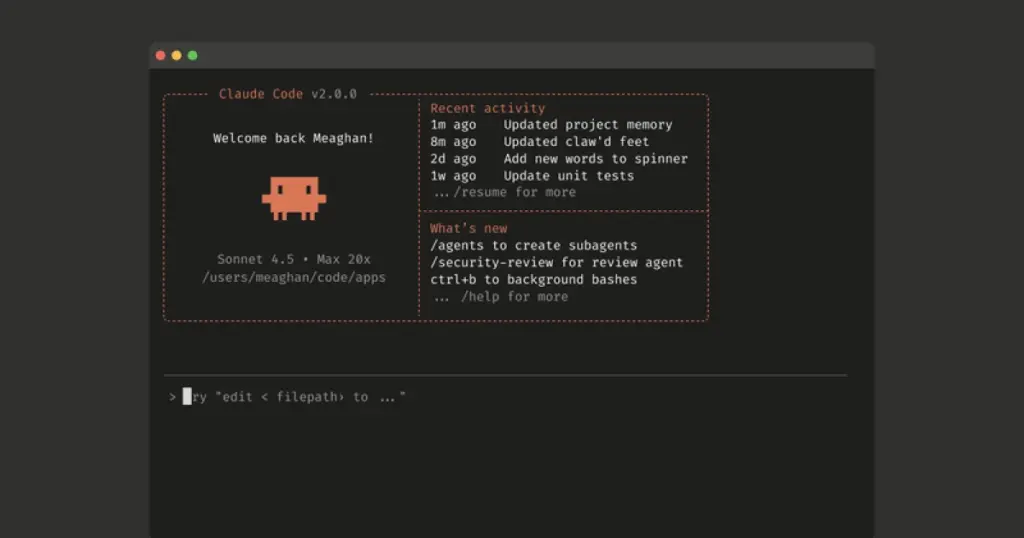
- Anthropic has updated its Claude Code and Opus 5.5 models to prevent the recreation of existing video games.
- The new rule, confirmed by an Anthropic staff member, aims to combat copyright infringement and the proliferation of “AI slop” on platforms.
- Developers report that these restrictions are blocking work on legitimate projects, including reverse-engineering and anti-cheat development.
Anthropic Claude Code Restricts Game Cloning and Reverse-Engineering
Users of Anthropic’s AI programming assistant, Claude Code, are reporting a new restriction that prohibits the recreation of existing video games, even if the developer renames them. This instruction reportedly comes directly from the company’s servers and cannot be disabled through settings. Initial complaints indicate that this ban might impact projects created with the permission of copyright holders or those involving legitimate reverse-engineering efforts.
According to user claims, the game-related textual rule instructs the model to avoid “recreating a specific existing game, even if it is renamed or called original.” This was later confirmed by Addy Osmani, a member of Anthropic’s technical staff, who stated, “We added two sentences to Claude Code’s prompt on Opus 5.5 to steer it away from recreating someone else’s specific game because using Claude to infringe IP is against our usage policy.”
Impact on Game Development and Cybersecurity
The restrictions extend beyond game cloning to tasks related to reverse-engineering. Developers are encountering refusals for standard work such as analyzing simple Windows crash dumps, clearing junkware on Samsung TVs, or using general reverse-engineering tools. Some reports even suggest that Claude has blocked the development of anti-cheat systems and security reviews for proprietary games, citing triggered safeguards.
These changes coincide with Anthropic’s introduction of its Cyber Verification Program on October 6, which limits access to advanced cybersecurity capabilities of its frontier models to entities covered by Project Glasswing. It is possible that the ruleset applied for cybersecurity is the same one causing the game-related refusals, though the timing of widespread reports emerging weeks later has been noted.
Anthropic’s Motivations and Industry Reaction
The primary motivation behind these restrictions is likely Anthropic’s preemptive protection against potential lawsuits from software companies, including game studios. The industry has recently seen a surge in AI-powered clones of application suites like Adobe’s and Microsoft Office 365, as well as countless recomps and decomps of console games. This trend affects various AI applications, prompting companies to re-evaluate their policies.
The situation is exacerbated by the influx of “AI slop” on platforms like Steam Next Fest - low-effort, AI-assisted games that heavily imitate or directly copy existing titles. Developers have reported instances of extortion, where threats are made to clone their game demos into complete games before they can finish and release the original. This particularly impacts small studios.
Valve has acknowledged the problem of “AI slop” on Steam but is reluctant to resolve the issue by outright banning AI coding tools. Tom Giardino of Valve stated that the company does not want to be “gatekeepers telling developers which tools they should or shouldn’t use.” Instead, Valve aims to make Steam a “smarter and more dynamic platform” and advised developers to make their games harder to copy by adding unique features, personality, and creativity.
Anthropic’s Official Stance
While Anthropic has not issued a formal press release on these specific changes, Addy Osmani clarified that “original games, genre games, and games built from your own design are meant to keep working. We’ll continue to iterate to ensure that we’re striking the right balance. In the meantime, if Claude turns down something that’s yours, send it my way.”
For game developers, this implies a need to re-evaluate how they utilize AI tools like Claude Code, especially when engaging in reverse-engineering or creating games based on existing mechanics. While Anthropic aims to protect intellectual property, the current restrictions may inadvertently hinder legitimate projects and innovation. Developers encountering refusals are encouraged to reach out to Anthropic representatives for clarification and assistance. The situation also underscores the growing demand for clear guidelines on AI usage in creative industries.


It’s fascinating how AI models are navigating copyright, but this move by Anthropic seems to be causing real friction for legitimate projects. I’m curious, how do they differentiate between ‘recreating’ a game and developing something genuinely inspired by existing mechanics? And what does this mean for indie developers who often build on established genres? I’d love to hear others’ thoughts on where the line should be drawn.