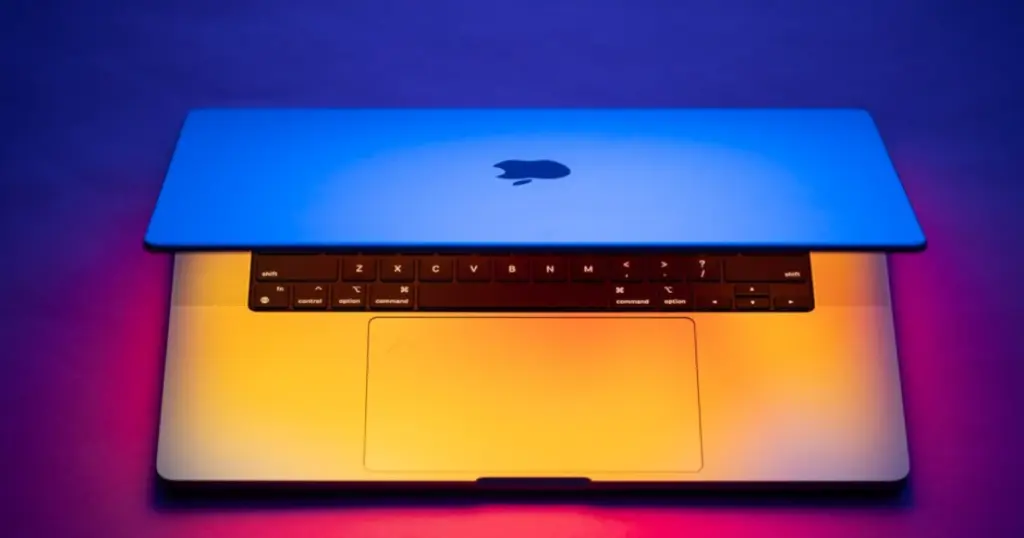
- Apple has officially announced its first touchscreen MacBook at its “Pro and Tell” event.
- The new model, the MacBook Pro with PROLED XDR Display, is now available for pre-order.
- Apple states that macOS optimization for touch input is “only getting started,” with most touch interaction expected within applications.
Apple Introduces Touchscreen MacBook Pro
After more than 15 years of maintaining a stance against touchscreen MacBooks, Apple has finally unveiled its first laptop featuring a touchscreen. The announcement took place at the company’s “Pro and Tell” event, where the new MacBook Pro with PROLED XDR Display was introduced. This marks a significant strategic shift for Apple, bringing touch input to its laptop lineup.
Apple CEO John Ternus commented on the release, stating, “You’ve gotta touch it to believe it.” This statement underscores the company’s confidence in the new user experience, even as touchscreen laptops have been a long-standing feature in the Windows ecosystem.
macOS Evolution for Touchscreens
While touchscreen laptops are not new to the PC market, Apple’s approach to integrating this technology into macOS appears distinct. The company is not rushing to implement extensive, immediate changes to the operating system for full touch optimization. Instead, it seems that most of the touch functionality will be driven within individual applications.
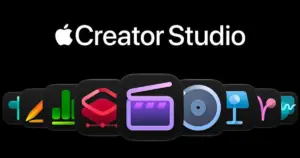
Apple confirmed that the new MacBook Pro with PROLED XDR Display includes various software optimizations for touch input. However, the company also indicated that it is “only getting started” in making macOS more touch-friendly. This suggests a phased development and ongoing enhancement of touch support in the future. For instance, the capabilities of Apple Creator Studio could also see enhanced touch integration for professional workflows.
For users, this introduces a new way to interact with their MacBook, offering the flexibility of touch alongside traditional input methods. Developers will need to adapt their macOS applications to leverage the touchscreen capabilities, potentially leading to new interface designs and workflows. The industry at large will observe increased competition in the premium touchscreen laptop segment and a potential influence on future operating system designs.
I’ve been using the new MacBook Pro for a week now, and the touchscreen is a game-changer for my design workflow. Scrolling through timelines in Final Cut Pro or zooming in on Photoshop canvases with a pinch gesture feels incredibly intuitive. However, I’ve noticed that not all apps are fully optimized yet, so there’s a bit of a learning curve for which gestures work where. My tip: try creating custom gestures with BetterTouchTool for your most used apps – it really helps bridge the gap where native support is still developing.