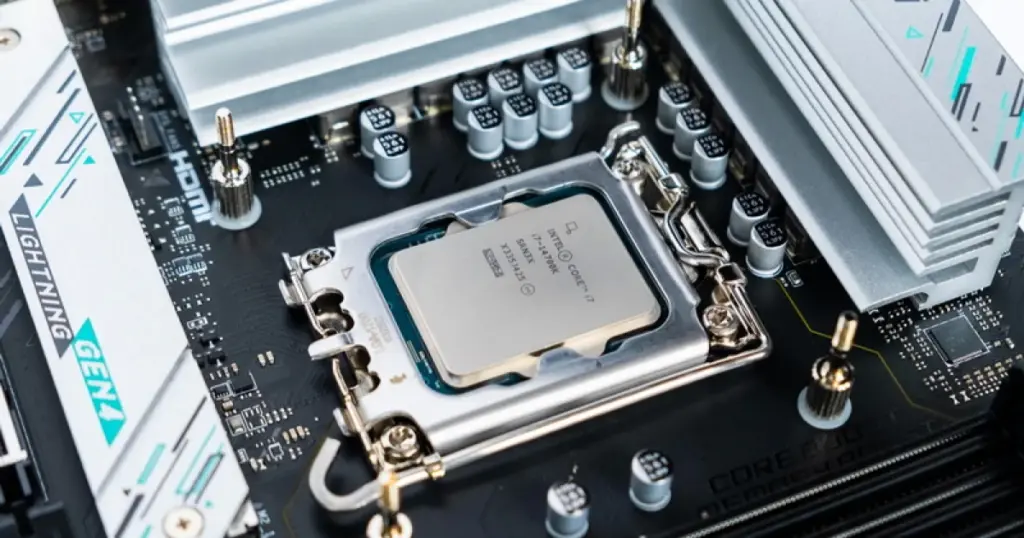
- Intel intends to keep its Raptor Lake processors as a core part of its product offerings for «many years to come,» according...
- The company has no plans to discontinue the Raptor Lake series and is actively working to «smooth out» supply and pricing imbalances within this chip lineup.
- Hallock further predicted a potential long-term division within the desktop PC market, driven by rising memory and component costs, into two distinct...
Intel’s Strategy for CPU Market Evolution
Intel intends to keep its Raptor Lake processors as a core part of its product offerings for «many years to come,» according to Robert Hallock, Intel’s VP and General Manager for Technical Marketing in the Client Segment, in an interview with Tom’s Hardware. This strategic decision is primarily influenced by the elevated prices of DDR5 memory.
Sustained Relevance and Supply Optimization
The company has no plans to discontinue the Raptor Lake series and is actively working to «smooth out» supply and pricing imbalances within this chip lineup. Raptor Lake models continue to be regarded as top-tier processors for gaming, a position maintained not only due to the performance landscape of newer generations but also significantly because of the high cost of DDR5 RAM.
Projected Desktop PC Market Segmentation
Hallock further predicted a potential long-term division within the desktop PC market, driven by rising memory and component costs, into two distinct segments:
- Enthusiast Segment: High-end systems built on newer, more expensive platforms.
- Mass Market Segment: More accessible computers utilizing older, established platforms like Raptor Lake.
This outlook highlights how component pricing trends are shaping both consumer choices and manufacturer strategies in the PC industry.



It’s fascinating how component costs, especially DDR5, are directly influencing Intel’s product lifespan strategies and even shaping future market segmentation. I’m curious, beyond just DDR5 pricing, what other factors might contribute to the sustained relevance of older platforms like Raptor Lake? Are there specific performance thresholds where the average user simply doesn’t gain enough from newer generations to justify the upgrade cost? I’d love to hear others’ thoughts on this evolving market split!