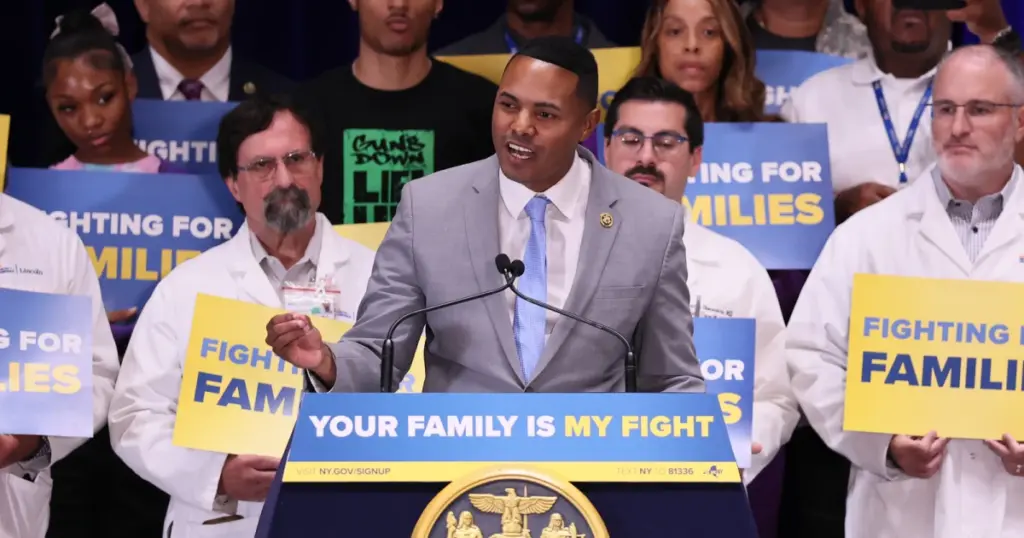
- US Representative Ritchie Torres announced the Power to the Players Act to ensure true ownership of purchased video games instead of temporary licenses.
- The legislation directs the Federal Trade Commission (FTC) to mandate offline modes before publishers shut down game servers.
- The move targets widespread industry practices by publishers like Ubisoft and Sony, curbing early game decommissioning and anti-consumer lockouts.
Redefining Game Purchases: The Power to the Players Act
US Representative Ritchie Torres (D-NY) has officially announced the introduction of the Power to the Players Act, landmark legislation aimed at overhauling how digital video games are sold and maintained. The bill directly targets publisher practices that treat retail purchases as temporary, revocable licenses rather than genuine property.
According to Torres, consumers are currently subjected to “a rental disguised as a sale.” Under the proposed framework, the Federal Trade Commission (FTC) would be directed to enact binding rules ensuring that consumers retain the right to own, play, and transfer their purchased software. Federal regulators have increasingly clamped down on corporate accountability; for instance, the FTC subpoenas OpenAI and Anthropic over safety failures and consumer harm, and digital entertainment ownership is now taking center stage.
Mandatory Offline Modes and the Death of Live Services
A core pillar of the legislation requires game publishers to implement fully operational offline modes before decommissioning server infrastructure. This provision directly addresses growing consumer backlash over titles rendered instantly unplayable:
- The Crew Decommissioning: In 2024, Ubisoft permanently shut down servers for online racing game The Crew, rendering the entire game unplayable even for users who only sought the single-player campaign.
- Annual Sports Sunsets: Torres explicitly cited titles like NBA 2K25, which face digital storefront removal and server shutdowns just two years post-launch, depriving buyers of major features.
- Title Replacements: Blizzard’s release of Overwatch 2 effectively erased the original game rather than maintaining it as a standalone product.
- The Disc-Free Shift: With Sony announcing the end of physical optical disc production by 2028, players face total platform lock-in without secondary market alternatives. In ongoing litigation, Sony’s defense argued that clicking “purchase” does not grant lasting ownership.
Legislative and Grassroots Initiatives Compared
| Initiative / Bill | Sponsor / Group | Key Consumer Protections |
|---|---|---|
| Power to the Players Act | Rep. Ritchie Torres (US Congress) | Mandates legal ownership over licenses, FTC regulatory enforcement, and required offline functionality prior to server termination. |
| Protect Our Games Act | PA Senator John Kane | Requires game companies to provide an offline mode, community server tooling, or an automatic minimum refund of 25%. |
| Stop Killing Games | Ross Scott & Moritz Katzner | Advocacy campaign urging lawmakers to require end-of-life functionality, peer-to-peer patching, and dedicated server support. |
If enacted into law, the Power to the Players Act will compel major storefronts such as Steam, PlayStation Network, and Xbox Live to restructure user terms and decouple single-player mechanics from mandatory live servers. Publishers will no longer be permitted to remotely brick software that customers paid for, setting a historic precedent for digital consumer rights.
While protecting consumer purchases is vital, mandating offline patches oversimplifies how modern network architectures actually work. For genuinely server-dependent titles, re-engineering a standalone client could be cost-prohibitive, potentially driving smaller studios away from complex multiplayer games altogether.