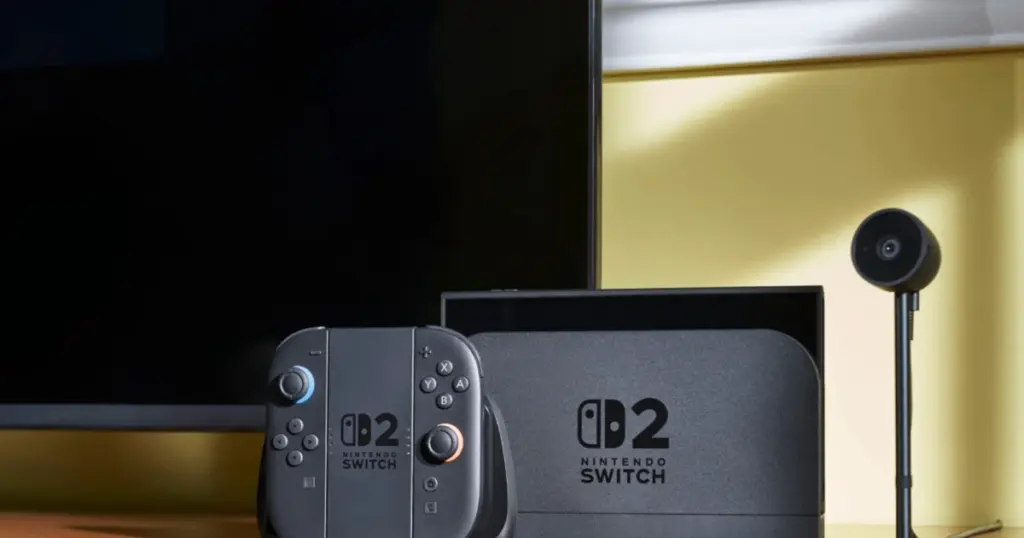
- Nintendo Switch 2 console sales declined by 37.4% during the reporting period from April to September 2026.
- Nintendo sold 6.49 million Switch 2 units, a reduction of 3.87 million compared to the same period last year.
- The company now projects full fiscal year Switch 2 sales to reach 16.5 million units, a 16.9% drop from its previous forecast.
Significant Drop in Nintendo Switch 2 Sales Reported
Nintendo has announced a substantial downturn in sales for its Switch 2 console. During the reporting period from April 1 to September 30, 2026, the company sold 6.49 million units of the Switch 2, marking a 3.87 million unit reduction compared to the 10.36 million sold in the identical period last year. This translates to a 37.4% decline in sales.
The second fiscal quarter (July to September) was particularly challenging, with sales plummeting 41% year-over-year to just 2.67 million units. This drop occurred despite Nintendo reporting an overall higher profit.
Price Increases and Market Conditions Impact Performance
Nintendo raised the price of the Switch 2 by $50, bringing its starting price to $499. This change was initially announced in May 2026 and implemented on September 1, 2026, across most affected regions, including the US, Canada, and Europe. Japan saw an earlier price increase effective in May 2026. The company attributed this decision to “changes in market conditions,” a phrase often associated with rising memory component costs.
Nintendo president Shuntaro Furukawa stated that the company is “not considering additional changes” to the Switch 2’s price. However, analysts like Serkan Toto, CEO of Kantan Games Inc., had predicted a sales decrease due to the price hike, and these predictions have materialized.
Revised Forecasts and Content Strategy
Nintendo has revised its annual sales forecast for the Switch 2 through March 31, 2027, from 19.86 million to 16.5 million units. This represents a 16.9% reduction from the previous 12-month period. Despite this, the company assures investors of its ability to meet its revised target.
To stimulate sales, Nintendo is banking on new game releases. Software sales for the Switch 2 have increased by 18.8% (from 20.62 million to 24.49 million units). Even original Switch game sales saw a 6.8% rise (from 61.56 million to 65.73 million units). High hopes are placed on the remake of The Legend of Zelda: Ocarina of Time to boost console interest. However, some fans and analysts express concerns that the remake might not meet expectations due to its divisive visual style and the absence of expanded content like the Master Quest mode.
Furthermore, the company faces pressure from chip suppliers. Macronix, a ROM chip manufacturer for Nintendo, recently shifted its production focus to high-demand NOR and NAND flash chips for AI data centers, which could impact component availability. This situation compels Nintendo to pursue more blockbuster titles, such as the planned Pokémon games for 2027, to maintain the Switch 2’s appeal. The broader tech landscape, including advancements in AI models for cybersecurity, also highlights the evolving demands on hardware and software development.
Comparative Sales Data
| Period | Switch 2 Sales (million units) | Original Switch Sales (million units) | Switch 2 YoY Change |
|---|---|---|---|
| April-Sept 2025 (Last Year) | 10.36 | - | - |
| April-Sept 2026 (Current Year) | 6.49 | 1.27 | -37.4% (-3.87 million) |
| July-Sept 2026 (Q2) | 2.67 | - | -41% |
The decline in Switch 2 sales suggests market saturation after a strong launch year and consumer sensitivity to price increases. For Nintendo, this necessitates a more aggressive strategy in delivering exclusive content and compelling offers to drive demand. Investors will closely monitor future game releases and pricing strategies, especially amid global component cost increases and inflation. Consumers can anticipate Nintendo focusing on providing more compelling gaming experiences to justify the console’s current price point.



It’s really interesting to see the direct impact of a price hike on console sales. I wonder if Nintendo considered a smaller, incremental increase or if they felt this larger jump was necessary due to the component costs mentioned. Do you think the upcoming Zelda remake, despite some fan concerns, will be enough to significantly offset this decline, or will they need an even bigger system-seller to recover?