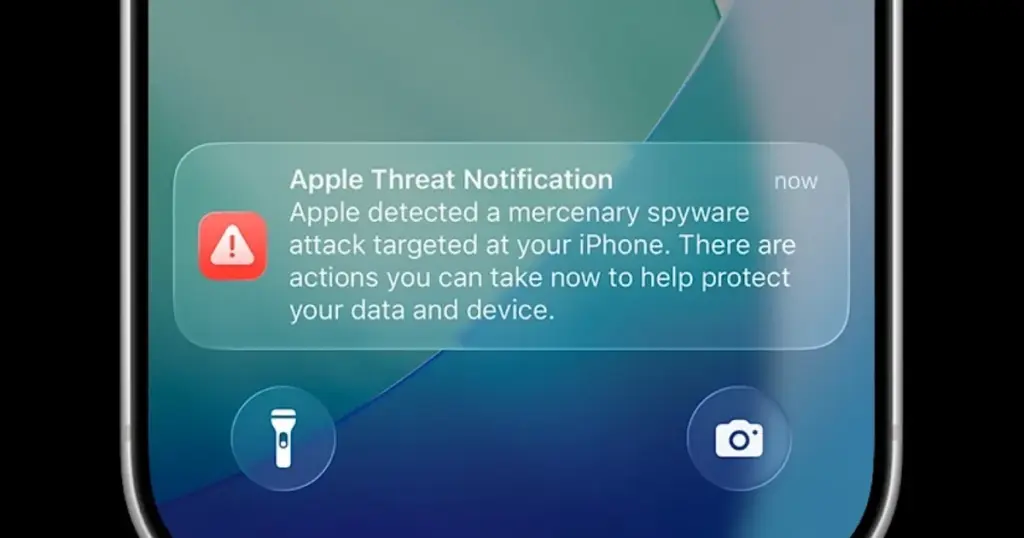
- Apple issued security alerts to users across 99 nations warning of targeted mercenary spyware attacks.
- Recipients include members of the German Bundestag, executive officials, and a filmmaker.
- Germany’s cyber agency (BSI) advised affected individuals to treat their iPhones as potentially compromised.
Global Spyware Notifications Spark Security Inquiries
Tech giant Apple has issued a widespread wave of threat notifications to device owners across 99 countries, alerting them to potential attacks involving sophisticated mercenary spyware. According to reports, individuals began receiving high-priority security warnings directly from Apple starting on October 29.
German Lawmakers and Public Figures Targeted
The security alerts prompted swift government action in Germany, where multiple public figures received notifications stating that their phones may have been targeted or breached. The targeted individuals include members of the German Bundestag, representatives of executive branches, and a filmmaker.
In response to the threat, German authorities launched a formal investigation. The Federal Office for Information Security (BSI), Germany’s national cybersecurity agency, published an advisory note on its official website. The agency instructed all lawmakers and government personnel who received Apple’s alerts to immediately treat their iPhone units as compromised and execute essential security protocols.
Mercenary spyware campaigns increasingly focus on political and civil sector figures worldwide. High-profile individuals receiving threat notifications should isolate their devices, rotate critical security credentials, and submit their hardware for forensic analysis by cybersecurity specialists.



The widespread nature of these Apple alerts across 99 countries underscores the pervasive threat mercenary spyware poses, particularly to high-value targets like government officials and activists. The targeting of German Bundestag members highlights the sophisticated capabilities of these state-sponsored or private entities, often leveraging zero-day exploits. This necessitates not only device isolation but a comprehensive review of network infrastructure and multi-factor authentication protocols to mitigate future incursions.