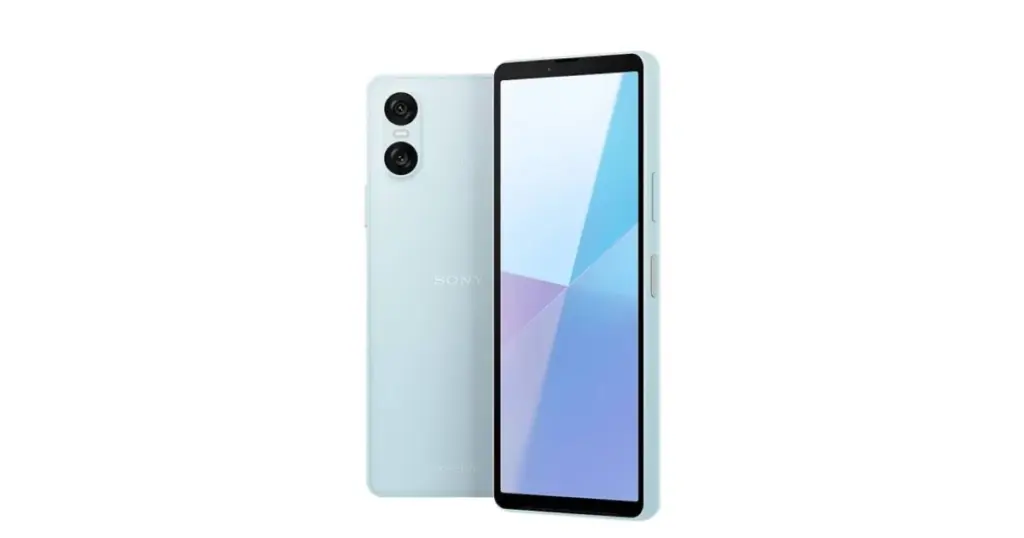
- Sony has officially scrapped the planned Android 17 firmware update for the Xperia 10 VI.
- The cancellation is attributed to limitations within the device’s internal storage configuration.
- Owners of the midrange smartphone will receive fewer OS upgrades than initially promised at launch.
Broken Software Update Pledge
Sony has officially retracted its software support commitment for the midrange Sony Xperia 10 VI. When the device originally debuted, the Japanese technology company pledged three major Android platform upgrades, which positioned the handset to eventually receive Android 17. However, an official advisory published on Sony’s UK customer support website confirms that this promised firmware release has been abandoned.
Storage Limitations Halt Development
According to Sony’s official disclosure, the decision to drop Android 17 stems directly from “limitations related to the device’s storage configuration.” Sony clarified that its development teams carried out a detailed technical assessment to evaluate platform feasibility. That evaluation determined that the handset could not deliver an adequate user experience on Android 17. Following the discovery, Sony formally issued an apology to device owners for reneging on the roadmap.
| Parameter | Sony Xperia 10 VI Details |
|---|---|
| Processor | Qualcomm Snapdragon 6 Gen 1 |
| Launch Firmware | Android 14 |
| Initial OS Commitment | 3 Major OS Upgrades (through Android 17) |
| Revised Status | Android 17 Update Canceled |
| Stated Reason | Storage Configuration Limitations |
Implications for Xperia Midrangers
Powered by the Qualcomm Snapdragon 6 Gen 1 mobile platform, the Xperia 10 VI launched running Android 14 out of the box. While Sony has historically been viewed as deliberate rather than swift with its Android rollout timelines, completely abandoning an announced upgrade tier remains a frustrating development for consumers who factored long-term software support into their purchase decisions.
For Xperia 10 VI owners, the device’s operational lifespan on modern Android versions has been cut short, capping support before reaching Android 17 features. It highlights a recurring industry risk: long-term software promises on midrange hardware remain vulnerable to hardware bottlenecks encountered during later testing cycles.



This illustrates the peril of OEMs extending long-term update pledges without adequate hardware headroom. Sony’s reliance on UFS 2.2 storage likely throttled I/O performance under newer Android runtime footprints. It signals a critical risk for midrange tier longevity.