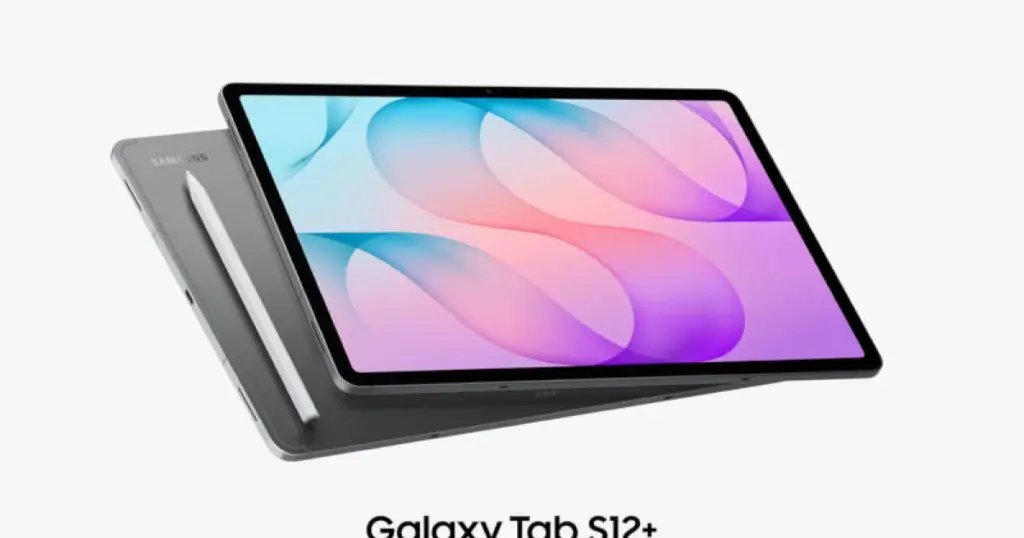
- Samsung has officially introduced its new flagship tablet computers, the Galaxy Tab S12 Ultra and Galaxy Tab S12+.
- The Galaxy Tab S12 Ultra model boasts an impressive 14.6-inch display and features IP68 protection, positioning it as Samsung’s thinnest tablet.
- Alongside the new tablets, Samsung also debuted its first wireless clip-on earbuds, the Galaxy Buds On.
Samsung Expands Ecosystem with New Tablets and Innovative Earbuds
Samsung has officially introduced its new flagship tablet computers, the Galaxy Tab S12 Ultra and Galaxy Tab S12+. These devices are characterized by high performance, extended battery life, and a slim, protected body. A key highlight of the new tablets is the integration of advanced artificial intelligence features.
The Galaxy Tab S12 Ultra model boasts an impressive 14.6-inch display and features IP68 protection, positioning it as Samsung’s thinnest tablet. Notably, a basic version of the Tab S12 series was not unveiled during this launch.
Introducing Galaxy Buds On: Samsung’s First Clip-On Wireless Earbuds
Alongside the new tablets, Samsung also debuted its first wireless clip-on earbuds, the Galaxy Buds On. Initially launched in the Korean market, these earbuds feature advanced specifications and a suite of artificial intelligence functions. The Galaxy Buds On are controlled via head gestures, and Samsung has emphasized their strong bass performance. These new products were presented concurrently with the Galaxy SmartTag3 tracker, indicating Samsung’s comprehensive strategy for its product ecosystem.


The introduction of the Galaxy Tab S12 Ultra with IP68 and a 14.6-inch display, particularly as Samsung’s thinnest tablet, signals a direct competitive response to premium enterprise-grade tablets. The absence of a basic S12 model suggests a strategic focus on higher-margin segments. Furthermore, the Galaxy Buds On’s head gesture controls and AI integration indicate a clear push towards more intuitive, context-aware user interfaces, which could significantly impact the wearables market’s interaction paradigms beyond just audio.