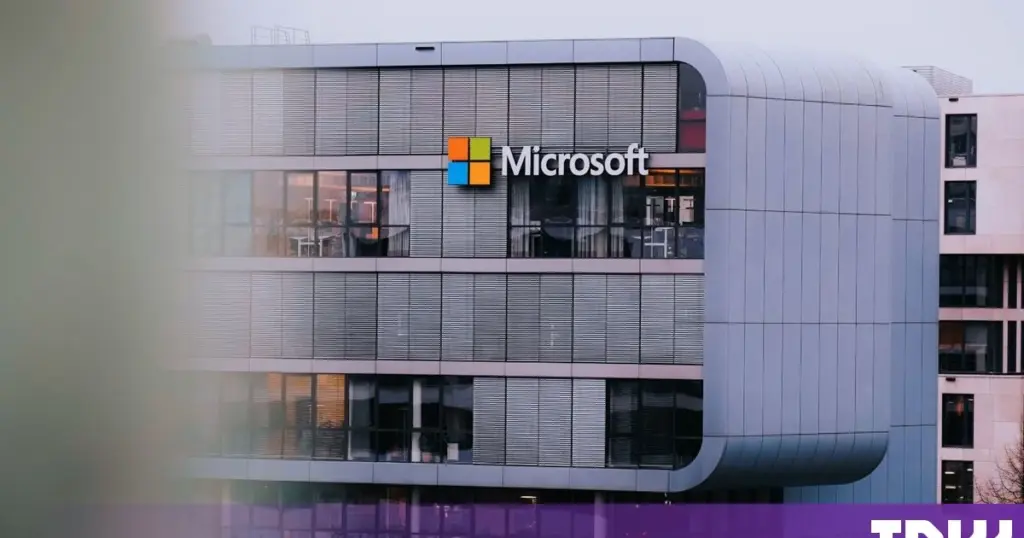
- Protesters from the Geef Tegengas group breached a Microsoft data center construction site in Amsterdam.
- Reuters reported approximately 100 people entered the site, while activists claimed 500 participants.
- The protests are part of a broader European movement against “dirty data centers” and their environmental impact.
Protests Escalate at Microsoft Data Center Construction in Amsterdam
Protesters broke into the construction site of a large Microsoft data center on the edge of Amsterdam on Friday, during a demonstration against the project. The action, organized by the activist group Geef Tegengas, targeted the construction of three 85-meter data center towers. A Reuters witness reported about 100 people made it onto the site, while a spokesperson for Geef Tegengas told local broadcaster AT5 that approximately 500 people had entered.
Arrests and Allegations of Violence
In subsequent developments, Amsterdam police arrested between 150 and 200 protesters on suspicion of trespassing. The arrests occurred after some members allegedly entered the construction site “with violence,” forcing police intervention despite an initial allowance for peaceful protest. Authorities seized tools designed for breaking into the site and found allegedly stolen items among the belongings of some protesters, alongside damage and vandalism to the data center site. The group Fossielvrij, advocating against fossil fuel use in data centers, was identified as participating in the action.
Motivations Behind the “Stop Dirty Data Centers” Movement
The protests are part of a larger movement spearheaded by the “Stop Dirty Data Centers” coalition, which plans actions across 16 countries on November 6 and 7, 2026, including Amsterdam, Dublin, Warsaw, and another Microsoft site in Denmark. The group’s website indicates actions planned at 85 locations across Europe. Their primary concerns revolve around “the explosion of AI data centers across our towns and cities,” claiming these pose “irreparable harms to the wellbeing of people and planet.” Specific issues cited include local communities, housing shortages, rising energy bills, the climate crisis, heatwaves, water shortages, big tech undermining democracies, and the erosion of privacy.
Pure Data Centers, the owner of the Amsterdam data center, issued a statement respectfully asking those on-site to leave safely and engage in dialogue. Microsoft acknowledged understanding the strong feelings of people and respecting their right to peaceful expression, but stated it does not condone unlawful action.
Broader Regulatory and Environmental Context
Opposition to data center development is gaining traction globally. In the U.S., it has become a significant issue in midterm elections, with European countries also implementing measures to limit their unchecked expansion. For instance, Google faces a criminal probe in Finland after its subsidiary allegedly destroyed 816 acres of forest without a permit. Denmark has paused data center grid connection requests as applications exceed 60GW, more than eight times the country’s current peak power consumption. An Italian council also imposed a 200% tax on data center development in agricultural land to encourage reuse of industrial areas. Demand for data centers, particularly for AI, continues to surge.
The Stop Data Center coalition clarifies that it is not against progress or closing existing projects. Instead, it seeks an immediate moratorium on AI data center construction until governments establish clearer rules to prevent negative environmental and societal impacts. EU tech chief Henna Virkkunen affirmed the importance of AI but emphasized that “it’s very important for citizens that they can trust that their energy bills are not skyrocketing and there are not electricity blackouts because of data centers, or they are not destroying the environment with these projects.”
These protests highlight a growing global concern regarding the environmental and social impact of large-scale data center construction, particularly those driven by AI. For technology companies, this translates into increased public and regulatory scrutiny, potentially leading to stricter regulations and delays in infrastructure development. For consumers and citizens, it signifies potential impacts on energy costs and resource availability, as well as ongoing debates about balancing technological advancement with sustainable development.



While I understand the concerns about environmental impact, it’s important to consider the immense societal benefits and economic growth driven by data centers, especially with the rise of AI. Protests of this nature, especially when involving trespassing and alleged vandalism, could deter essential infrastructure development and ultimately hinder technological progress that benefits us all. Perhaps a focus on sustainable energy solutions for these centers would be a more constructive approach than outright opposition.