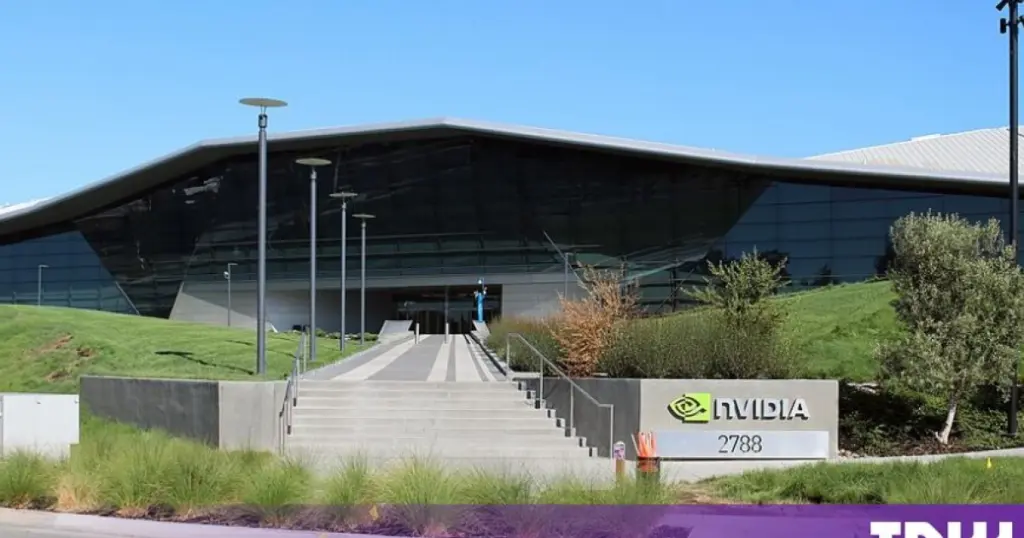
- Nvidia pledges $250 million worth of compute access over five years to UK agentic AI safety research.
- CEO Jensen Huang threatens to halt accelerator shipments to clients developing unsafe artificial intelligence.
- Huang dismissed the need to backstop cloud partner CoreWeave despite its 5-year credit default swaps pricing a 60% default risk.
Supply Cutoffs and the AI Safety Agenda
Speaking to Bloomberg in London, Nvidia Chief Executive Officer Jensen Huang stated that the semiconductor giant is ready to sever chip supplies to any client found to be constructing unsafe models. Despite this strict stance, Huang noted that current societal and industry panic surrounding AI safety is largely unwarranted.
Instead of halting progress, Huang advocated for aggressive deployment of containment and monitoring technology. To execute this vision, Nvidia is currently assembling a dedicated business unit designed to develop and commercialize enterprise-grade safety and containment solutions.
$250 Million Compute Pledge for the UK
Reaffirming its focus on systemic oversight, Nvidia pledged $250 million over the next five years to bolster British agentic AI security and safety initiatives. Rather than transferring direct capital, the commitment will be fulfilled entirely through allocations of high-performance compute access. Commercial agreements and provider selection remain in progress.
| Initiative / Event | Key Metrics & Details | Mechanism |
|---|---|---|
| UK AI Safety Commitment | $250M over 5 years | High-performance compute access |
| Client Compliance Policy | Zero-tolerance for malicious models | Chip shipment embargoes |
| CoreWeave Financial Standing | CDS hit record 1,194.5 bps (>60% default odds) | No backstop commitment from Nvidia |
CoreWeave Credit Swaps and Market Stability
In a separate discussion in Stockholm, Huang addressed market concerns regarding CoreWeave, a prominent cloud infrastructure firm closely aligned with Nvidia. Huang affirmed that CoreWeave’s cost of capital is trending downward and dismissed suggestions that Nvidia would need to provide a financial backstop.
Huang’s remarks coincided with CoreWeave’s five-year credit default swaps hitting an all-time peak of 1,194.5 basis points. Financial markets currently price in a greater than 60% probability of default for the cloud vendor within the next five-year window, underscoring growing tension across capital-intensive AI infrastructure providers.
Nvidia is establishing direct leverage over downstream AI deployment by tying hardware access to safety protocols and developing commercial oversight tools. Cloud buyers and enterprise developers face tighter governance on workloads alongside potential market volatility among specialized AI compute providers.


Pledging compute instead of capital feels more like capacity management than pure philanthropy. Who actually defines what constitutes an ‘unsafe’ model before cutting off supply? Tying chip access to proprietary containment software creates massive vendor lock-in, and doing so while partners like CoreWeave show high credit default risks adds unnecessary volatility.