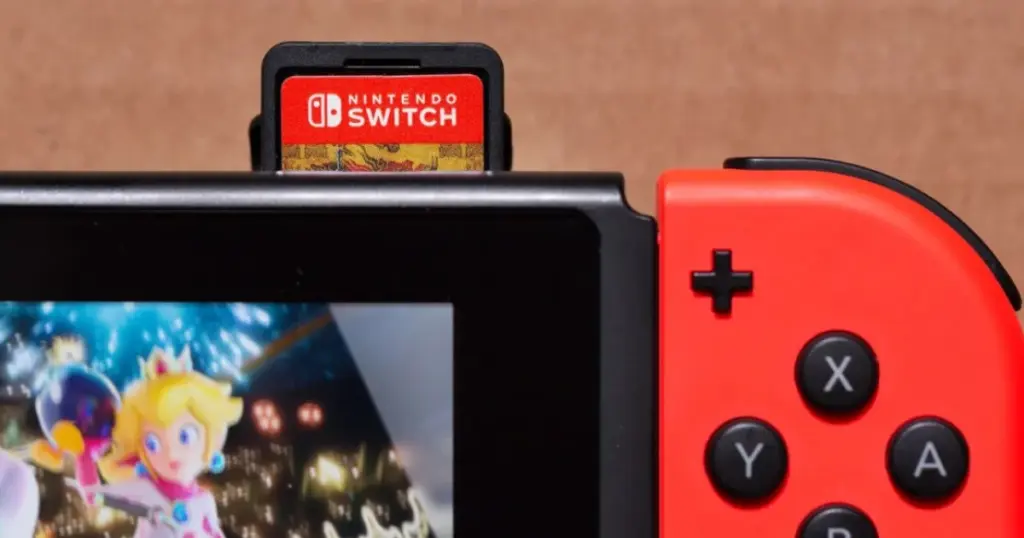
- Macronix, a primary supplier of ROM chips for Nintendo Switch game cartridges, is phasing out its ROM production.
- The company is reorienting its manufacturing capacity towards NOR and NAND flash memory for AI data centers.
- This strategic shift may lead to increased prices for physical Nintendo games and accelerate the move towards digital distribution.
Macronix Discontinues ROM Chip Production for Game Cartridges
Macronix, a significant supplier of ROM (read-only memory) chips used in Nintendo Switch game cartridges and anticipated Switch 2 consoles, has announced its gradual exit from the ROM business. The company revealed this decision during its recent quarterly earnings call, stating a strategic pivot to focus on producing NOR and NAND flash memory for high-demand data centers and artificial intelligence applications. This move underscores the escalating demand for specialized chips within the AI industry, which is increasingly consuming substantial memory and storage supplies, impacting global component availability.
According to reports from Taipei Times and analyst David Gibson of MST Financial, Macronix’s ROM revenue declined by 39% year-over-year, accounting for only 5% of the company’s total business in the third quarter. Concurrently, capital expenditures of NT$37.8 billion (approximately $1.2 billion USD) are being fully allocated to expanding NOR and NAND flash memory production, confirming Macronix’s strategic reorientation.
Implications for Nintendo and the Physical Games Market
While Macronix is not Nintendo’s sole ROM chip supplier-ROHM Semiconductor and LAPIS Semiconductor also provide these components-the departure of such a major player could have notable consequences. Industry observers suggest that Nintendo may be compelled to increase prices for physical game releases or intensify its push towards digital sales and Game-Key cards, which provide download codes rather than the physical game itself.
Macronix’s shift towards more lucrative market segments is driven by its constrained manufacturing capacity, which stands at 25,000 12-inch wafers per month, with new capacity requiring a year or more to become operational. In this environment, less profitable ROM chips are being deprioritized in favor of more in-demand AI-related products.
The company most significantly impacted by this decision may be MegaChips, a fabless chip design firm that designs ROM chips to Nintendo’s specifications and outsources their manufacturing to Macronix. MegaChips’ 2022 company report indicated that Nintendo accounted for 87.8% of its sales, with Macronix handling 67.8% of its outsourced manufacturing purchases. The document explicitly noted that a cessation of ROM chip manufacturing by Macronix could affect MegaChips’ operating results, a risk that has now materialized. MegaChips is likely exploring alternative manufacturing partners.
Although physical cartridges are expected to persist for some time, analysts anticipate a gradual increase in Nintendo’s digital sales, aligning with broader industry trends. The burgeoning AI sector’s influence on various facets of the IT industry is evident, as Valve has also recently faced backlogs in Steam game approvals due to a surge in AI-generated titles.
| Metric | Q3 Current Year (Macronix ROM Business) | Previous Year (Macronix ROM Business) |
|---|---|---|
| ROM Revenue Contribution | 5% of total business | 26% of total business |
| Year-over-Year ROM Revenue Change | -39% | N/A |
| Capital Expenditure Allocation | NT$37.8 billion for NOR/NAND Flash | N/A |
For gamers and the industry, this development signals a potential increase in the cost of physical Nintendo Switch games and an acceleration of the shift towards digital distribution. Nintendo will likely either seek new ROM chip suppliers or further expand its digital content strategy. This situation also highlights how the rapid expansion of the AI sector is reshaping component supply chains, diverting manufacturing capacity from traditional markets to more profitable, high-demand areas.



Pivoting fully to AI memory sounds lucrative on paper, but Macronix is taking a massive gamble here. The AI data center boom carries real risks of a sudden market correction, whereas Nintendo provided steady, predictable demand. Passing higher cartridge costs to consumers might also backfire if fans simply reject another price hike.