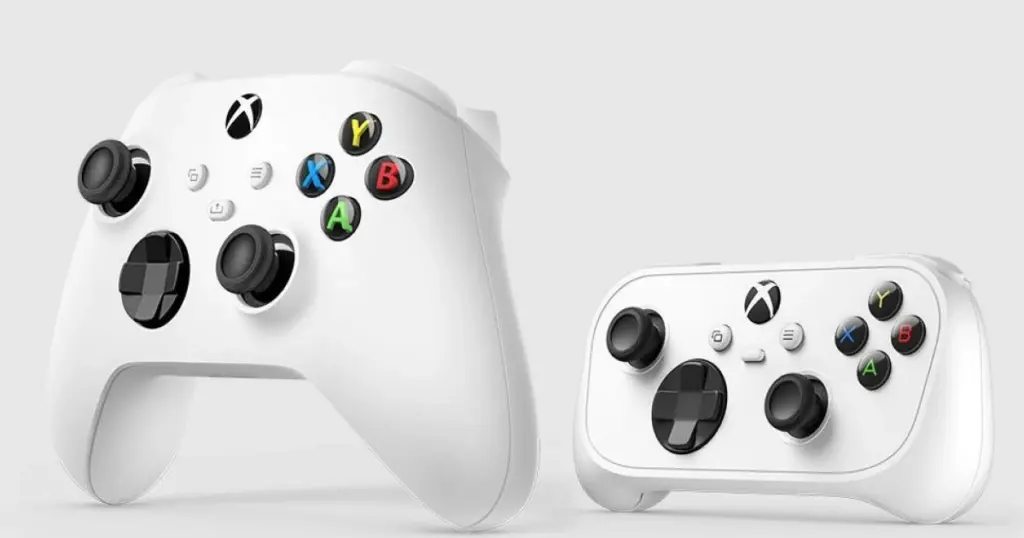
- Microsoft has officially announced the Xbox Nano Controller, its smallest and most affordable gamepad to date.
- The accessory weighs only 99 grams (3.5 ounces), measures 5 inches in length, and is priced at $49.99.
- It is targeted at mobile play on the go, younger players, and users with smaller hands.
Pocket-Sized Form Factor for On-the-Go Gaming
Microsoft has officially unveiled the Xbox Nano controller, a miniaturized and budget-friendly addition to its gaming hardware lineup. Engineered for portability, the device is compact enough to fit effortlessly into a pocket, making it the company’s most travel-friendly input device yet.
The gamepad measures just five inches in length and weighs approximately 3.5 ounces (99 grams), making it both smaller and lighter than an iPhone 18 Pro. Despite the significant reduction in overall volume, it retains the traditional, familiar layout found across official Xbox controllers.
Target Audience and Usability
Microsoft highlights that the design addresses several distinct use cases. The Xbox Nano controller is built specifically for:
- Gamers seeking an ultra-compact solution for gaming on the move;
- Users with smaller hands who find standard controllers cumbersome;
- Younger players needing an accessible, lightweight device.
Specifications and Release Window
Retaining the signature ergonomics and standard button arrangement of the Xbox family, the new model introduces a highly accessible entry point for gamers.
| Feature | Xbox Nano Controller |
|---|---|
| Weight | 99 grams (3.5 ounces) |
| Length | 5 inches (~12.7 cm) |
| Design Form | Pocket-sized with traditional Xbox button layout |
| Price | $49.99 |
| Availability | November |
At $49.99, the Xbox Nano directly fills a gap in the portable peripherals segment. It delivers a first-party controller experience in an ultra-lightweight profile, offering parents, traveling gamers, and players with smaller hands a comfortable, pocket-ready alternative without sacrificing standard control layouts.


At 99 grams, this is a calculated supply-chain move targeting mobile cloud adoption rather than traditional console gaming. If Microsoft achieved this form factor without sacrificing analog potentiometer durability, the $50 price point will heavily pressure third-party mobile peripheral manufacturers.