- Linux 7.4 introduces extensive updates for AMD processors, including Zen 5 and Zen 6, and 600 Series chipsets.
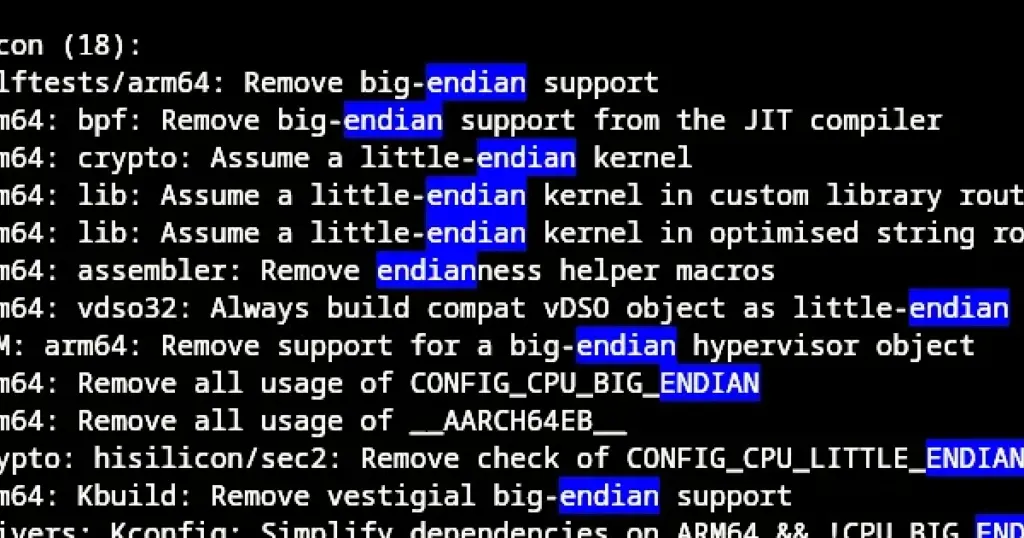
- New emulation functions for cmpxchg() are added, while support for the rarely used ARM64 Big Endian is removed.
- Power management and security mitigations are enhanced for new architectures, with some older CPUs potentially losing support.
Linux 7.4 Kernel: New Features and Optimizations
The Linux 7.4 kernel update brings a series of significant changes focused on improving compatibility with modern hardware, optimizing performance, and enhancing security. Particular attention has been given to AMD processors and a review of architectural support.
AMD Processor Enhancements
Linux 7.4 substantially expands hardware support for AMD. Among the key changes are:
- Zen 6: Adjustments have been made to CPU security mitigations for AMD Zen 6 processors, making them less costly. Power management has also been improved for the upcoming Ryzen Zen 6.
- Zen 5 & Newer: A long-standing issue with under-reported TLB (Translation Lookaside Buffer) sizes for AMD Zen 5 and newer architectures, first noted in September, has been fixed.
- AMD 600 Series Chipsets: Temperature monitoring support for AMD 600 Series chipsets, launched alongside Ryzen 7000 series processors, has finally been added. This feature is also marked for back-porting to the v7.2 and v7.3 kernel series.
These updates underscore Linux’s commitment to ensuring full and efficient operation with the latest AMD hardware.
| AMD Component | Linux 7.4 Change |
|---|---|
| Zen 6 | Security mitigation adaptation, power management enhancements |
| Zen 5 & Newer | TLB size reporting fix |
| 600 Series Chipsets | Temperature monitoring support added |
Architectural Support Changes
Linux 7.4 also revises support for various architectures, aiming to improve efficiency and simplify the codebase.
- ARM64 Big Endian: Support for big-endian kernel builds for 64-bit ARM has been stripped away. This decision is due to the code being broken, rarely touched, and considered obsolete.
- New cmpxchg() Emulation Function: A new emulation function for the
cmpxchg()(compare and exchange) operation has been added. This allows two-bytecmpxchg()to be used in common Linux kernel code that is already natively supported on newer CPU architectures. - Phasing Out Old CPUs: The pull request notes that some old CPU architectures might no longer be supported by the Linux kernel moving ahead, as part of a modernization and optimization process.
These changes, alongside general performance improvements previously reported by PROSTO24, demonstrate the kernel’s development strategy to adapt to modern requirements and technologies.
Intel Rugged Panther Lake Support
Beyond AMD, Linux 7.4 also includes power management subsystem updates for future Intel Rugged Panther Lake processors, along with related ACPI and thermal control updates. This ensures the kernel’s readiness to work with new generations of hardware from both leading manufacturers.
For users and system administrators, upgrading to Linux 7.4 means improved stability and performance on modern AMD systems, especially for those using Ryzen 7000 series processors and 600 series chipsets. Developers will benefit from a more optimized kernel with up-to-date hardware support. However, owners of very old systems should be prepared for the potential discontinuation of official support for some CPUs.



It’s fascinating to see the continued focus on AMD support in Linux. I’m particularly curious about the long-term implications of phasing out older CPU architectures. Will this lead to more streamlined, higher-performing kernels in the future, or could it create significant compatibility hurdles for users with slightly older, but still capable, hardware? I’d love to hear others’ thoughts on this balance.