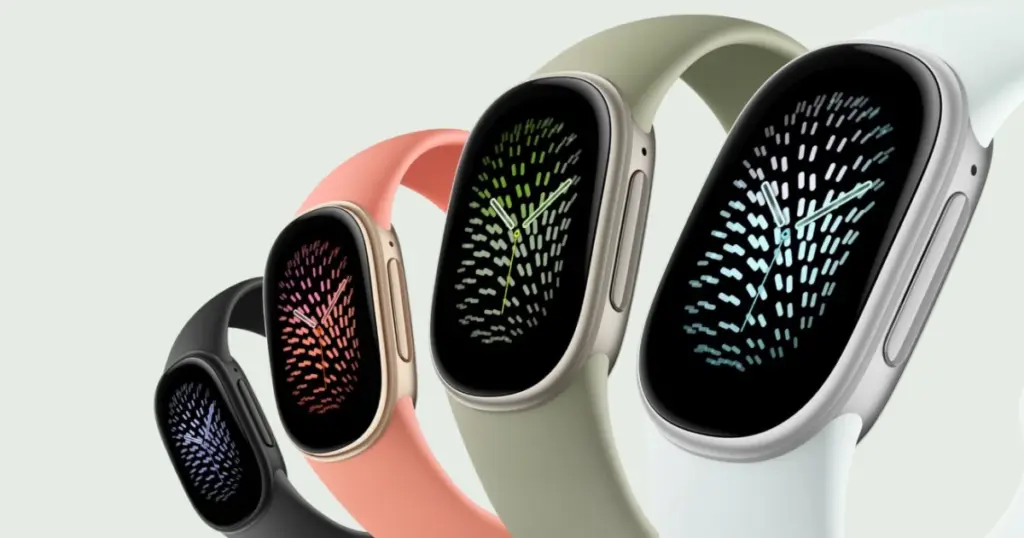
- Google has announced the Fitbit Edge fitness tracker featuring a user-replaceable battery design.
- The device features an OLED screen and built-in GPS, but lacks an NFC module.
- Priced at $179.99, pre-orders are live now, with shipping scheduled for October 27.
A Major Structural Shift for the Fitbit Lineup
Tech giant Google has officially introduced its latest wearable device, the Fitbit Edge. Breaking from the common industry trend of sealed electronic components, this device introduces a replaceable battery mechanism — a milestone first for the entire Fitbit product portfolio.
The announcement targets fitness enthusiasts looking for a compact band form factor while offering long-term battery serviceability typically absent in modern consumer electronics.
Key Specifications and Hardware Capabilities
The Fitbit Edge incorporates several high-end tracking components, though it makes a notable omission on the connectivity front:
- Display: High-contrast OLED panel.
- Location Tracking: On-board GPS hardware for standalone workout positioning.
- Power: Replaceable battery pack.
- Wireless Interfaces: NFC functionality is omitted.
| Specification | Details |
|---|---|
| Display Technology | OLED |
| Navigation | Built-in GPS |
| Battery Type | Replaceable |
| NFC Connectivity | Not supported |
| Retail Price | $179.99 |
| Launch Date | October 27 |
Pricing and Market Availability
The device carries a suggested retail price of $179.99, placing the fitness band squarely in standard smartwatch price territory. Google has already opened pre-orders for the Fitbit Edge, with broad retail sales set to commence on October 27.
A replaceable battery directly addresses long-term hardware degradation, significantly extending the practical lifespan of the tracker beyond typical lithium-ion fatigue cycles. However, buyers must weigh that longevity against the $180 price tag and the absence of contactless NFC payments.


A replaceable battery is a massive leap forward for hardware longevity and right-to-repair compliance in wearables. However, omitting NFC at a $180 price point risks alienating urban fitness users who expect digital wallet functionality. It positions the Edge in an awkward niche against low-cost smartwatches.