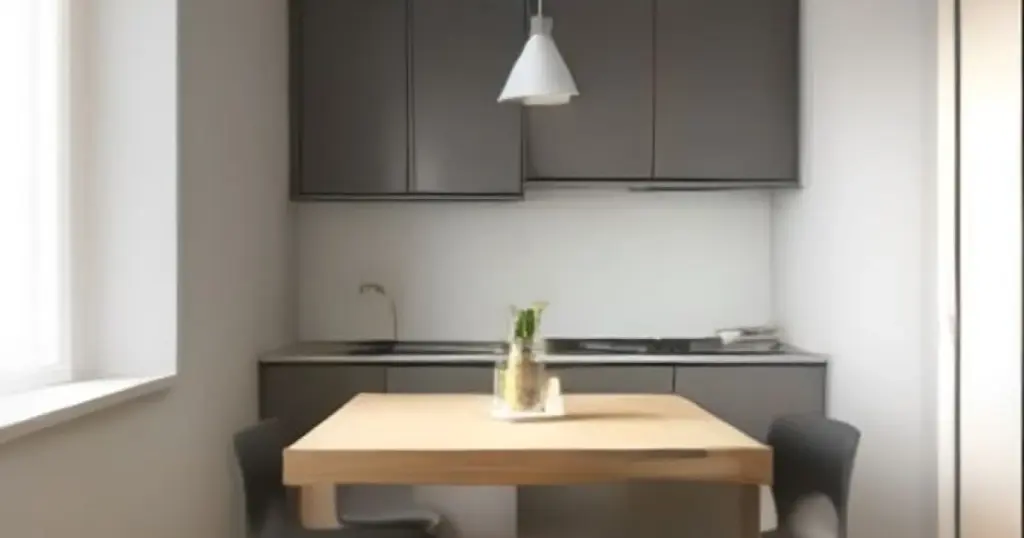
- Embarking on independent living after moving out from parents marks a significant milestone that demands careful preparation.
- While the list of necessary items can be extensive, all will prove useful for setting up your new space.
- These items will form the foundation for comfortable living, allowing you to gradually add to your interior as needed.
Moving Out: Essential Purchases and Household Organization for Independent Living
Embarking on independent living after moving out from parents marks a significant milestone that demands careful preparation. To ensure comfort and functionality in a new home, it is crucial to plan purchases in advance and efficiently organize daily life.
Prioritizing Purchases for Your First Home
While the list of necessary items can be extensive, all will prove useful for setting up your new space. The focus should be on essentials that provide basic comfort and functionality from day one:
- Kitchenware: A basic set including a pot, a pan, cutlery, a few plates, and mugs.
- Furniture: A bed or mattress, a small table, and a chair.
- Appliances: A refrigerator (if not built-in) and an electric kettle.
- Cleaning Supplies: For maintaining cleanliness and order.
- Personal Hygiene Items: Towels, soap, and shampoo.
- Bedding: A complete set for comfortable sleep.
- Lighting: At least one lamp or light fixture if primary lighting is absent.
These items will form the foundation for comfortable living, allowing you to gradually add to your interior as needed.
Organizing Household Life in the First Month
Effective household organization during the initial period of independent living will significantly ease adaptation. A little effort at the beginning can prevent chaos and establish a system that works in the long run:
- Budget Planning: Allocating funds for rent, utilities, groceries, and essential purchases.
- Cleaning Schedule: Regular cleaning prevents clutter from accumulating.
- Storage Systematization: Designating a place for every item helps maintain order.
- Meal Preparation: Planning meals and grocery shopping saves time and money.
- Establishing Routines: Morning and evening rituals help in adapting to the new schedule more quickly.
Investing effort into these aspects from the outset will ensure stability and allow you to enjoy the benefits of an independent life.



While the article provides a solid foundational checklist for independent living, it’s crucial to also consider the often-overlooked utility activation processes and the potential for smart home integration from the outset. For instance, understanding ISP service level agreements (SLAs) and power grid compatibility for energy-efficient appliances (e.g., Energy Star rated 18 cu. ft. refrigerators) can significantly impact long-term operational costs and daily convenience. Proactive engagement with these infrastructure elements is key for a truly seamless transition.