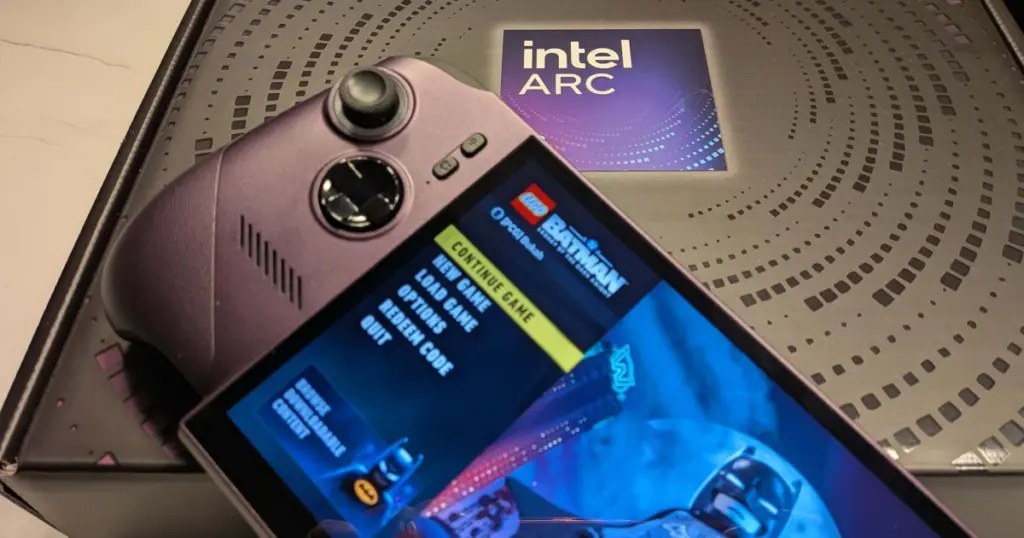
- Intel has initiated pull requests to add support for its XeSS upscaling technology to Valve’s Proton.
- This integration will leverage dedicated XMX cores in Intel GPUs for enhanced XeSS performance on Linux.
- The move is set to significantly improve gaming experiences on Intel-powered handheld gaming PCs and other SteamOS devices.
Intel Boosts Linux Gaming with XMX-Accelerated XeSS in Proton
Intel has taken significant steps to integrate its XeSS (Xe Super Sampling) upscaling technology into Valve’s Proton, a critical compatibility layer for Steam Play. This initiative aims to optimize game performance on Linux operating systems, particularly benefiting handheld gaming PCs powered by Intel processors.
Damian Tomczak, an Intel engineer, opened pull requests today to incorporate Intel XeSS support into Proton, alongside necessary adjustments to VKD3D-Proton and DXVK. The primary objective is to enable the use of dedicated XMX (Xe Matrix Extensions) cores within Intel’s own GPUs for XeSS acceleration, circumventing a slower fallback path.
Understanding XeSS Technology and Its Implementation
XeSS is Intel’s proprietary upscaling technology designed to boost in-game performance while maintaining image quality. It operates through two distinct methods:
- DP4a: Offers broad compatibility across various GPU vendors.
- XMX: Utilizes specialized cores in Intel’s own GPUs for superior performance, making it the preferred option for Intel hardware.
As detailed by Tomczak in the request, the proposed integration involves adding a builtin libxess.dll. This DLL will forward XeSS D3D12 calls to the Linux XeSS library (libxess.so), allowing XeSS to utilize XMX under Proton instead of the slower fallback. D3D12 objects will be converted to Vulkan via vkd3d-proton’s interop interface.
Implications for SteamOS and Handheld Gaming PCs
Proton is instrumental in allowing Windows-based games to run on Linux machines, playing a crucial role in the success of the Steam Deck and SteamOS. While Valve historically favored AMD chips for SteamOS, this landscape is evolving. Valve has already improved compatibility with both AMD and Intel’s recent platforms in recent SteamOS releases.
The integration of XMX-accelerated XeSS is particularly impactful for future Intel-powered handheld gaming PCs, such as the MSI Claw 8 EX AI+, which features an Intel Arc G3 Extreme processor. This development will enable such devices to run effectively on Linux without performance compromises, offering users greater flexibility in their choice of operating system. Broader support for SteamOS extends beyond handhelds to include custom-built Steam Machines as well. For more on hardware developments, you might be interested in AMD Confirms GPU Driver Bug Causing Excessive SSD Wear, Fix Incoming.
For gamers and users of Intel-powered handheld gaming PCs, this move signifies a substantial uplift in game performance and visual quality when using Steam Play on Linux. By enabling dedicated XMX cores for XeSS, Intel is bridging the gap between its Windows-centric hardware and the Linux gaming ecosystem, making SteamOS a more viable platform for Intel devices. This also signals Intel’s growing commitment to Linux gaming, expanding consumer choices and fostering further innovation in open gaming platforms.