NASA Reshapes Human Spaceflight Strategy
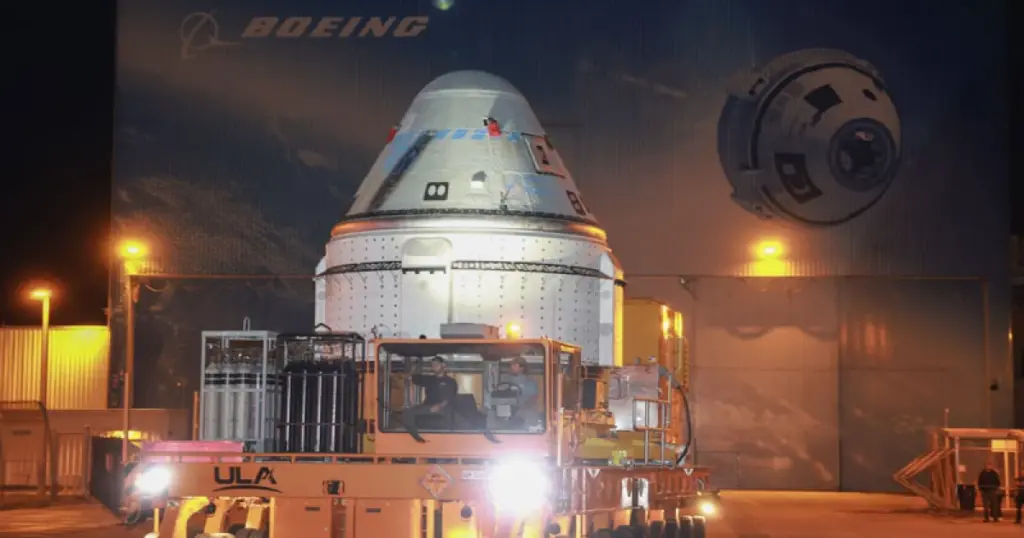
The National Aeronautics and Space Administration (NASA) is reportedly poised to reinstate the Boeing Starliner spacecraft as a primary vehicle for transporting astronauts to low-Earth orbit. This strategic shift is largely driven by SpaceX’s stated intention to conclude its Crew Dragon flights, necessitating a robust alternative for crew transport for NASA.
New Missions and Investment for Starliner
Sources indicate that NASA plans to order two additional crewed Starliner missions from Boeing. Furthermore, the agency intends to partially fund the resolution of identified issues within the spacecraft’s propulsion system and assist in certifying a new launch vehicle for future Starliner missions. These initiatives are designed to ensure the long-term reliability and safety of Boeing’s spacecraft operations.
SpaceX Contract for Additional Crew Dragon Flights
Despite the long-term focus on Starliner, NASA recently secured a new agreement with SpaceX for three additional crewed flights to the International Space Station (ISS) — Crew-15, Crew-16, and Crew-17. This contract, a modification of the existing commercial crew transportation agreement, is valued at $946 million. These missions were initially anticipated to be conducted by Boeing with the Starliner spacecraft, but delays and technical challenges led to a change in plans. Consequently, SpaceX will continue to play a pivotal role in providing ISS access in the immediate future, as Starliner undergoes necessary refinements and certification.
NASA’s strategic pivot back to Starliner, despite its developmental hurdles, underscores the critical need for redundant crew transport capabilities beyond SpaceX’s anticipated Crew Dragon phase-out. The $946 million SpaceX contract for Crew-15 through Crew-17 highlights the immediate dependency, while NASA’s investment in Starliner’s propulsion system and launch vehicle certification indicates a long-term commitment to diversifying its LEO access, crucial for operational resilience and maintaining competitive pressure in the commercial crew market.