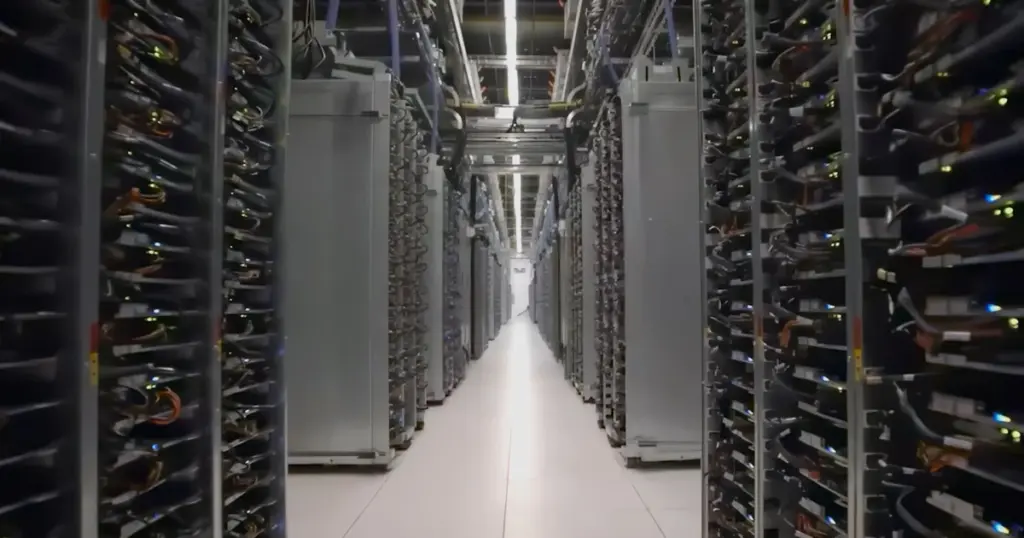
- A significant majority of Americans have expressed strong negative sentiment towards the construction of new data centers, particularly those supporting AI.
- Over 90% of public comments on the issue were negative, and midterm elections in 2026 saw widespread adoption of measures restricting data center development.
- This trend poses substantial challenges for future data center projects, despite ongoing infrastructure investments.
Mounting Public Opposition to Data Center Development Across the U.S.
Public sentiment in the United States against the proliferation of new data centers, especially those powering artificial intelligence (AI), has reached a critical juncture. Recent developments, including Amazon’s cancellation of four planned facilities due to public outcry, underscore a growing backlash. A new analysis by Prophecy Gov’s American Sentiment website, which compiled 10,202 public comments from 417 local government meetings across 48 states, reveals that over 90% of these comments were negative. Only 7% expressed positive views, with the remaining 2.5% posing questions.
Key Findings from Public Data and Election Results
The data from American Sentiment highlights a strong level of opposition:
| Metric | Result |
|---|---|
| Percentage of negative comments | 90.5% |
| Percentage of positive comments | 7% |
| Percentage of questions | 2.5% |
| Meetings with no data center supporters | 73% |
| Opponents to supporters ratio | 6:1 |
Furthermore, concerns about data centers were prominently featured on midterm ballots in several U.S. counties in 2026. According to Data Centers on the Ballot and other trackers, out of 45 to 46 data center-related measures, an overwhelming majority (approximately 33 to 35) restricting development were passed. Only one measure in Harwood, North Dakota, which added an extra review process for industrial projects, failed. Additionally, mayors and council members in Piqua, Ohio, and Yukon, Oklahoma, were recalled for previously supporting data center projects.
Primary Concerns Driving Public Opposition
The most frequently cited concerns raised by the public include:
- Water Use: This is the most common complaint. In May, one AI data center project reportedly consumed 29 million gallons of water, leading to noticeable drops in water pressure for local residents.
- Impact on Local Quality of Life: Concerns about noise pollution, aesthetics, and overall disruption to community character.
- Lack of Transparency: Many residents expressed distrust regarding project details and beneficiaries.
- Environmental Effects: Air pollution and the potential to negate 15 years of progress in greenhouse gas emissions.
- Rising Utility Bills: Fears that data centers will increase energy costs for local households.
Despite AI being a primary driver for these facilities, only 21% of comments directly mentioned its potential negative effects. Among public figures, Elon Musk (SpaceX/xAI), Sam Altman (OpenAI), and Peter Thiel (Palantir) were most frequently mentioned in discussions opposing data centers, ahead of Mark Zuckerberg and Jeff Bezos.
Bipartisan Issue and Regional Differences
Opposition to data center construction has emerged as a bipartisan issue, with red and blue counties opposing projects at nearly identical rates. However, rural and urban/suburban areas voiced different concerns:
- Rural Counties: Impact on community character, farmland, and property rights.
- Urban/Suburban Areas: Transparency, government distrust, air pollution, and utility bills.
State governors have also shown support for restrictions. For instance, in Texas, a state experiencing a data center boom, outgoing Governor Greg Abbott ordered a pause for energy and water audits, while incoming Governor Gina Hinojosa also backs restrictions. For more insights into how AI companies are addressing energy concerns, see our article on OpenAI Launches Grid Protectors Program to Mitigate AI Data Center Power Strain.
Exceptions and Future Outlook
The only group largely in favor of new data centers comprised union workers, with 79% supporting them. Conversely, only 3% of property owners and 3% of residents agreed. Even among data center workers, only 40% were in favor of new facilities.
Despite overwhelming opposition, the impact on projects already underway remains unclear. Out of over 300 local data center bans enacted across the U.S., only three developments totaling 2.3 gigawatts have been delayed, with 38 gigawatts still expected to come online by 2027. Nevertheless, these votes are likely to significantly impact future developments, especially as the U.S. Senate accuses Big Tech of misleading the public about the benefits of AI data centers.
The escalating public backlash and tightening regulations present significant hurdles for the data center industry in the U.S. Developers will face increasingly stringent demands regarding resource utilization, transparency, and community impact. This may lead to a re-evaluation of large-scale facility placements, a greater focus on sustainable and socially responsible solutions, and increased investment in technologies that mitigate environmental footprints, such as more efficient cooling systems and energy-saving measures.

This article really highlights a significant shift in public sentiment. I’m curious if the concerns about water usage and environmental impact are primarily driven by specific regional issues, like drought-prone areas, or if it’s a more universal backlash across the US. Also, are there any examples of data centers that have successfully integrated into communities without facing such strong opposition, and what strategies did they employ? I’d love to hear others’ thoughts on this.