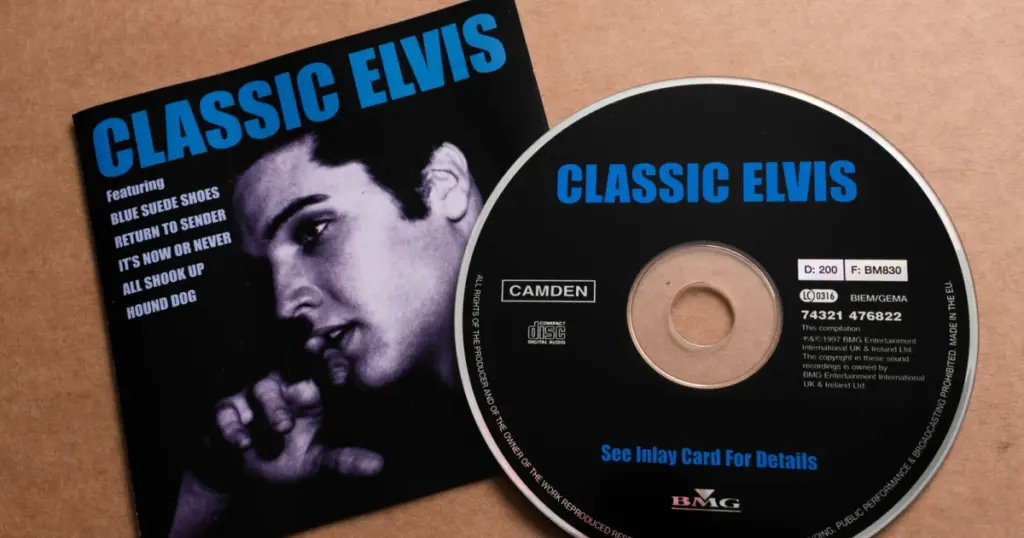
- Authentic Brands Group and other Elvis Presley rights holders are suing Anthropic for copyright infringement.
- The lawsuit demands $41.1 million, or $150,000 per each of 274 songs allegedly used to train Anthropic’s AI models.
- The plaintiffs argue that Anthropic built its business model on copyright infringement at an unprecedented scale.
Authentic Brands Group and other owners of Elvis Presley’s music catalog have filed a copyright infringement lawsuit against Anthropic, the company behind the Claude AI models. The suit, lodged last Friday in the US District Court for the Northern District of California, alleges that Anthropic used 274 of Elvis Presley’s songs to train its artificial intelligence models without obtaining the necessary permissions.
Details of the Copyright Infringement Claim
The plaintiffs are seeking approximately $41.1 million in damages, equating to $150,000 for each of the 274 copyrighted songs. The complaint asserts that Anthropic has constructed its entire business model on copyright infringement at an unprecedented scale. It challenges the applicability of fair use doctrines to content utilized for AI model training and contends that Anthropic should have secured licenses for the content, especially when its Claude products generate copyrighted lyrics upon user prompts.
This legal action highlights a growing tension between content creators and AI developers regarding data sourcing and intellectual property. Anthropic has previously resolved a similar case involving the unauthorized use of books to train its models, establishing a $1.5 billion fund to compensate authors. The current lawsuit underscores ongoing debates about how AI companies acquire and process vast amounts of data.
Key Allegations from the Plaintiffs:
- Unauthorized use of 274 Elvis Presley songs for training Anthropic’s Claude AI models.
- Dispute over the application of fair use doctrines for AI training data.
- Demand for $150,000 per song, totaling $41.1 million in damages.
- Claim that chatbots cause financial harm to rights holders when generating content “in the style of” copyrighted artists.
The plaintiffs emphasize Anthropic’s substantial financial resources, noting the company has billions in cash and plans a major public offering, suggesting its capacity to meet the demanded compensation. This case is part of a broader trend of lawsuits against AI firms, including Suno, for alleged unlawful use of copyrighted music and lyrics. For context, similar discussions around data usage have occurred with other tech giants; for instance, PROSTO24 previously reported on Google’s updated privacy policy allowing Gmail and Photos data to inform targeted ads.
Financial Stakes and Industry Precedent
| Parameter | Details of Lawsuit Against Anthropic |
|---|---|
| Plaintiff | Authentic Brands Group & Elvis Presley rights holders |
| Defendant | Anthropic (Claude AI developer) |
| Number of Songs | 274 Elvis Presley compositions |
| Damages Sought | $41.1 million ($150,000 per song) |
| Court Filed | US District Court for the Northern District of California |
| Previous Settlements | Anthropic settled with authors for $1.5 billion over book training data |
This lawsuit against Anthropic signifies the escalating legal challenges faced by AI developers regarding intellectual property. It could set a significant precedent for how copyrighted material is licensed and used in the training of artificial intelligence models. For AI companies, this emphasizes the urgent need for robust licensing strategies and transparent data sourcing practices. For rights holders, it provides a potential avenue for protecting their creative works and seeking compensation for unauthorized AI-driven utilization. Ultimately, the AI industry is likely to see increased regulatory scrutiny and a push for clearer guidelines on content usage.


This lawsuit really highlights the complex legal landscape AI companies are navigating. I’m curious, how do these AI models differentiate between learning patterns and directly copying copyrighted material? It seems like a fine line, especially when they can generate content ‘in the style of’ an artist. Does anyone know if there’s a technical solution being explored to identify and filter copyrighted material during the training phase, or is it purely a legal battle over fair use?