- Studios including Digital Sun and Alliance Arts have cancelled public playtests over risks of instant automated duplication.
- The rollout of advanced coding models like Claude Opus 5.5 has enabled opportunists to clone game mechanics within days.
- Independent creators are demanding that digital storefronts provide account-vetting tools to safeguard early builds.
The indie game development landscape is grappling with a profound chilling effect as studios begin hiding early builds from public view. The catalyst is the rapid evolution of artificial intelligence coding tools, which have streamlined decompilation and reverse-engineering. Following the emergence of advanced models such as Claude Opus 5.5, platforms including Steam, Roblox, and mobile app ecosystems have been hit by an influx of quickly assembled copycats.
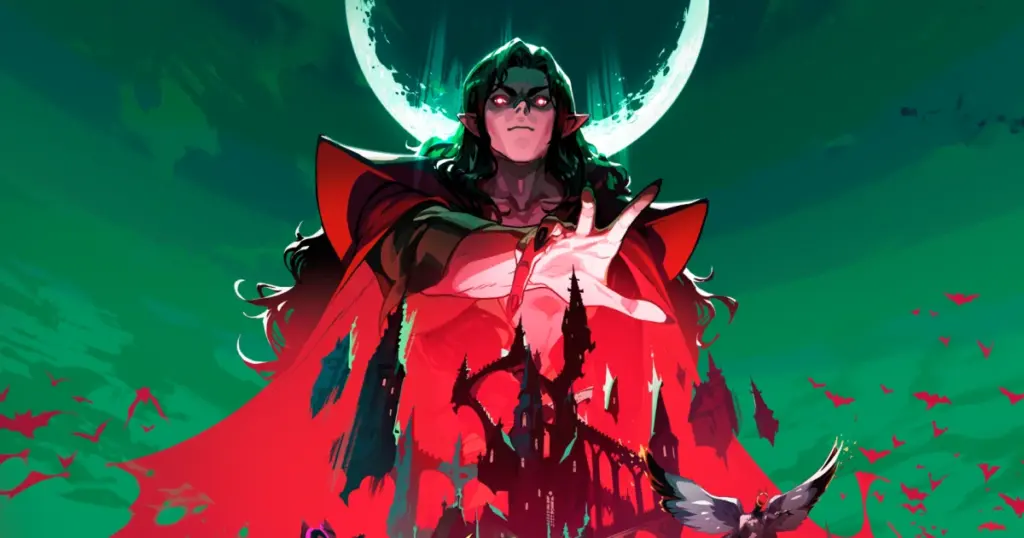
Digital Sun Halts ReVamp Public Testing
Spanish development team Digital Sun Games, acclaimed for Moonlighter and Cataclismo, confirmed the cancellation of a broad public playtest for its upcoming title, ReVamp. The “tower defensevania” roguelike is not slated for release until March 2027, making an open distribution of game assets an unacceptable hazard.
Digital Sun marketing manager Israel Mallén explained that although tens of thousands of players registered for the initial Steam playtest, the studio chose to retreat to a private Discord setup with only a few hundred vetted participants under non-disclosure agreements. Mallén pointed out that current storefront controls on Steam only allow regional restrictions, offering no way to filter out newly minted accounts deployed to siphon code and design patterns.
Steam Next Fest Impact and the Duplication Wave
The defensive shift is spreading across the sector. Studio Alliance Arts recently withdrew the public demo for its demon-themed Russian roulette drinking game, Drunken Goddess Reflex, just ahead of Steam Next Fest. The team voiced explicit concerns that the demo’s assets and core loop would be迅速 replicated and launched commercially before the genuine game reaches the market.
| Project | Studio | Genre | Defensive Response |
|---|---|---|---|
| ReVamp | Digital Sun | Tower defensevania / Roguelike | Scrapped open Steam test; moved to small Discord group under NDA |
| Drunken Goddess Reflex | Alliance Arts | Demon-themed Russian roulette | Withdrew public demo right before Steam Next Fest launch |
| Escape the Walls | Independent Creator | Incremental punching game | Spawned 7 Roblox clones and 1 Steam clone within 10 days of video preview |
Vibe Coding Meets Reverse-Engineering
The unprecedented speed of modern AI-driven replication was highlighted when the creator of incremental game Escape the Walls posted gameplay footage on X. Within ten days, at least seven clones debuted on Roblox alongside a replica on Steam. The disruption surrounding Opus 5.5-which has also impacted security research and decompiles-partly explains why Steam Next Fest featured over 8,000 demos, double the 4,000 recorded in June.
Unless platform operators like Valve introduce robust gating mechanisms-such as screening participants by account age, review history, and playtime-indie developers will continue pulling back from the public. Playtests will likely be delayed until the eve of launch, transforming early community collaboration into rigid, late-stage promotional campaigns.


While asset scraping is a genuine concern, retreating to closed NDAs might do more harm than good for indies reliant on early community buzz. Expecting Steam to effectively vet millions of accounts seems technically unrealistic and costly. Clones rarely capture the genuine polish that actually makes a game succeed.