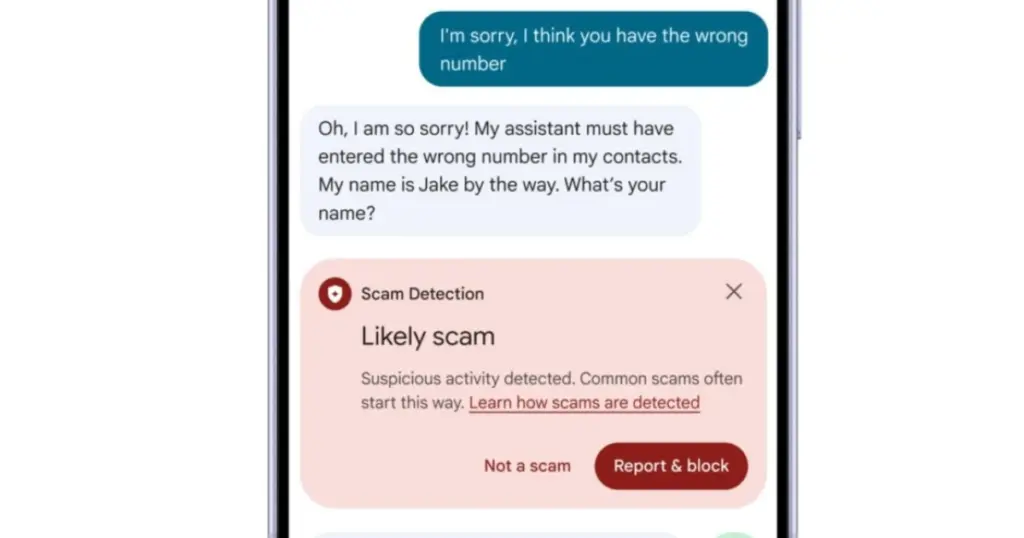
- Google is deploying cloud-based Gemini AI capabilities to inspect and intercept scam attempts in Google Messages.
- A new “Enhanced Protection Mode” arrives alongside tools to obscure financial details during screen sharing sessions.
- The rollout coincides with Cybersecurity Awareness Month, giving Android users optional control over cloud data processing.
Next-Generation Defense Against Mobile Fraud
In observation of Cybersecurity Awareness Month, Google has announced a suite of new Android security features engineered to disrupt mobile fraud, smishing attacks, and deceptive phone schemes. The upgrades target communication channels directly, turning routine apps into active shields against malicious actors.
The cornerstone of this rollout is an upgrade to Google Messages. Building upon the foundational Scam Detection framework, Google is launching an optional “Enhanced Protection Mode” that leverages cloud-based intelligence and the Gemini AI platform to evaluate incoming suspicious messages.
Cloud Analysis and Comprehensive Threat Prevention
Unlike standard on-device heuristics, the enhanced security setting routes flagged or suspect message patterns to Google’s cloud infrastructure, where sophisticated language models assess malicious intent and fraudulent links in real time. Recognizing varying privacy preferences, Google allows users to turn this cloud analysis on or off within the application settings.
| Security Feature | Core Mechanism | Affected Service |
|---|---|---|
| Enhanced Protection Mode | Cloud-assisted scam detection powered by Gemini AI | Google Messages |
| Financial Shielding | Hides sensitive account credentials from viewers | Screen Sharing |
| Call Integrity Tools | Counters call-forwarding exploits and phone fraud | Dialer & Call Services |
The defensive perimeter extends beyond SMS. Android is introducing safeguards that automatically obscure sensitive banking details and credentials during active screen sharing, preventing digital eavesdropping. Furthermore, Google is refining controls surrounding call forwarding and suspicious incoming phone calls to mitigate multi-channel extortion—a vital layer of defense as sophisticated digital threats evolve, much like how mercenary spyware infiltrates devices via online ads using zero-click exploit techniques.
These enhanced scam defense capabilities will roll out globally to Android users over the coming weeks.
Android users gain an automated, AI-driven safeguard against rapidly evolving social engineering and phishing campaigns. For privacy-conscious individuals who prefer all data processing to remain strictly on-device, the enhanced cloud detection can be easily toggled off in the messaging preferences without losing basic handset safeguards.



I’ve been testing this new Gemini scam filter for two weeks, and it successfully caught two tricky fake delivery smishing texts right away. However, it still occasionally flags legitimate automated security codes from my bank. A quick tip: make sure to add your regular service dispatch numbers to your contacts so the cloud filter doesn’t accidentally mute them.