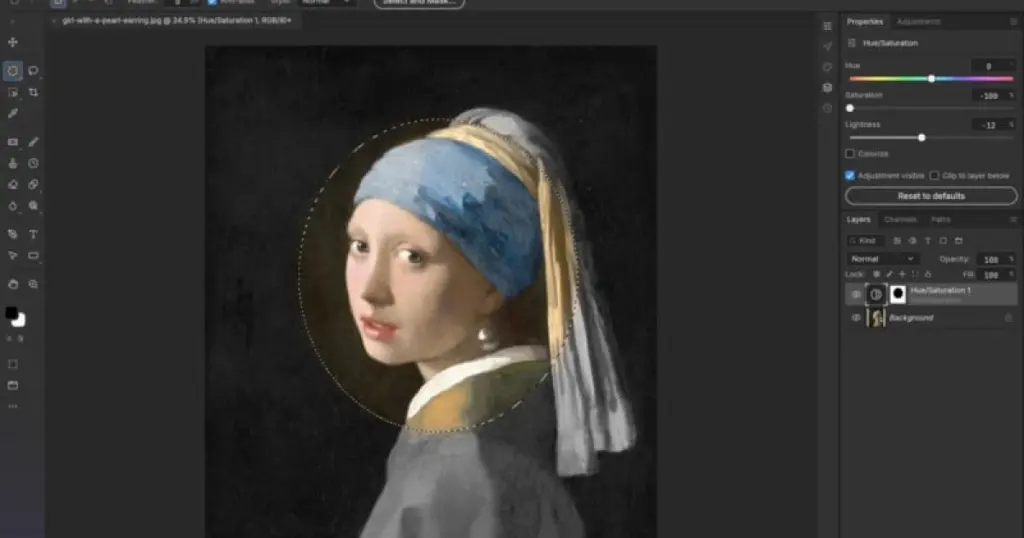
- A solo developer backed by a compact team reproduced robust alternatives to Adobe and Microsoft suites using artificial intelligence.
- The entire development pipeline took only a few months instead of the multi-year timelines traditionally required by large corporate teams.
- The initiative, highlighted by projects like ArtCraft, questions software monopolies and highlights emerging IP legal concerns.
AI Software Development Disrupts Traditional Monopolies
The enterprise software ecosystem is facing an unprecedented shift. Historically, building full-scale graphic editing suites and office productivity platforms rivaling Adobe and Microsoft Office demanded multi-year roadmaps and massive engineering departments. Today, a single developer working with a lean team has managed to reconstruct functional alternatives to these flagship products in just a couple of months.
As demonstrated by the ArtCraft project, proprietary software is no longer immune to rapid replication. Generative systems and specialized neural coding agents have radically compressed the time required to build UI workflows, processing engines, and core application architectures.
Legal Challenges and the New Era of Independent Software
This rapid leap in software synthesis exposes key issues for the wider technology landscape:
- Functional Parity: How closely open, rapidly deployed alternatives can mimic commercial software capabilities.
- Intellectual Property Exposure: Potential copyright and patent challenges over user experience and structural similarities.
- Democratization of Engineering: Micro-teams challenging enterprise giants without traditional capital backing.
As industry leaders accelerate the development of autonomous systems—such as when Meta launches Muse Wonder AI models for agentic workflows—the barrier to constructing complex application suites will continue to drop.
Enterprise software giants are losing their architectural moat as individual creators gain enterprise-grade output speeds. Users may soon see an influx of lightweight, accessible software suites, while incumbent vendors will be forced to adapt pricing and defend proprietary interfaces in court.

Replicating basic UI workflows in a few months is impressive, but true parity involves decades of edge cases, performance optimization, and file format compatibility. Long-term maintenance, security patching, and customer support are massive operational costs a solo dev simply cannot sustain. It’s a neat prototype, but far from replacing enterprise ecosystems.