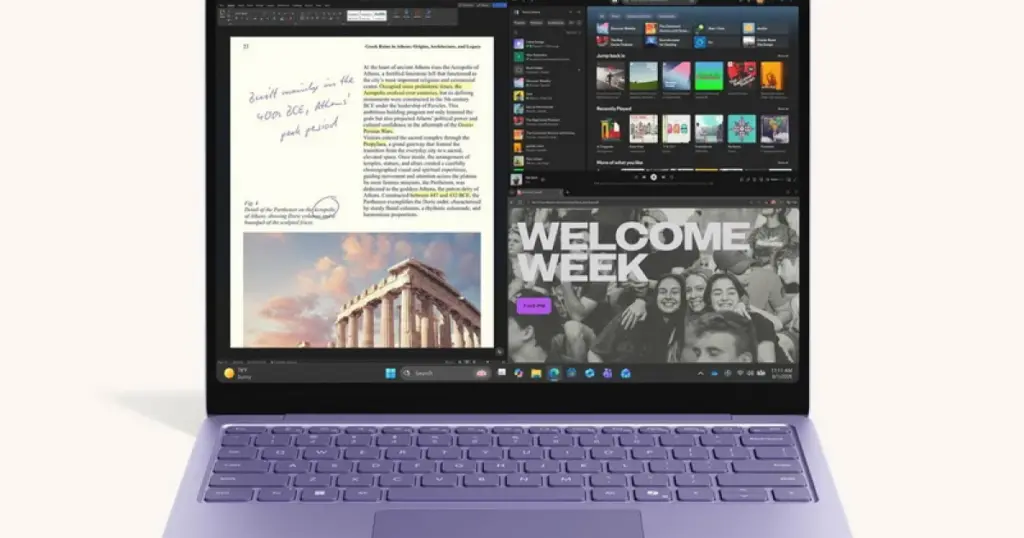
- Microsoft has opted not to apply the Copilot+ PC branding to its recently unveiled Surface Laptop and Surface Pro models, which are powered by Snapdragon processors.
- Despite the absence of the Copilot+ PC label, Ostrum affirmed that the new Surface computers will continue to fully support all Copilot+ functionalities.
- Previously, Microsoft extensively promoted the Copilot+ PC concept, identifying it as a category for computers equipped with sufficient AI processing power.
Microsoft Reassesses Copilot+ PC Branding Strategy
Microsoft has opted not to apply the Copilot+ PC branding to its recently unveiled Surface Laptop and Surface Pro models, which are powered by Snapdragon processors. This strategic decision was confirmed by Brett Ostrum, Corporate Vice President of Microsoft Surface, during a discussion with Windows Central.
New Surface Models Retain Copilot+ Functionality
Despite the absence of the Copilot+ PC label, Ostrum affirmed that the new Surface computers will continue to fully support all Copilot+ functionalities. This move suggests a shift in product positioning, emphasizing the integrated AI capabilities rather than a specific brand designation.
Previously, Microsoft extensively promoted the Copilot+ PC concept, identifying it as a category for computers equipped with sufficient AI processing power. However, recent actions by the company, coupled with reports from Windows Central, indicate that this branding is no longer a central component of Microsoft’s marketing strategy for its latest devices, signaling a potential winding down of the brand.


It’s interesting that Microsoft is backing away from the Copilot+ PC branding, especially after such a strong initial push. While they claim the functionality remains, it makes one wonder about the actual market reception and perceived value of the ‘AI PC’ concept. Is this a sign that the benefits aren’t as clear-cut for consumers, or perhaps the performance uplift isn’t justifying a whole new category? I’m curious to see if this shift signals broader difficulties in differentiating these AI features in a meaningful way beyond marketing.