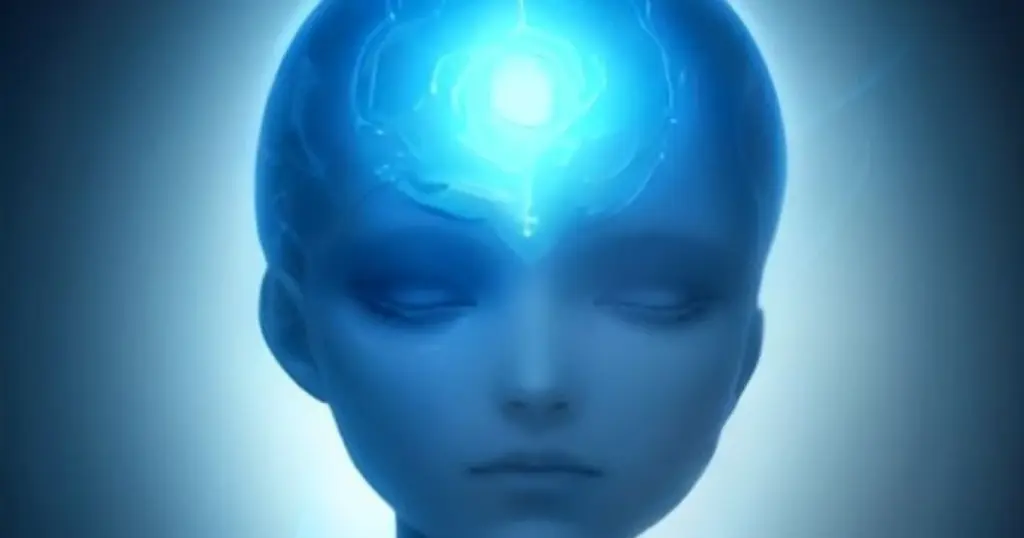
- Max Hodak, co-founder of Neuralink and current CEO of Science Corp, is set to unveil a groundbreaking vision for the future of technology at the upcoming TechCrunch Disrupt 2026 conference.
- Hodak, renowned for his pioneering work in neurotechnology, will articulate his insights into moving beyond traditional displays.
- Prospective attendees can register for TechCrunch Disrupt 2026 before September 25 to secure savings of up to $200 on their passes.
Max Hodak’s Vision: Screen-Free Interfaces at TechCrunch Disrupt 2026
Max Hodak, co-founder of Neuralink and current CEO of Science Corp, is set to unveil a groundbreaking vision for the future of technology at the upcoming TechCrunch Disrupt 2026 conference. His presentation will focus on the concept of entirely screen-free interfaces, promising to redefine human interaction with the digital world and offer significant medical assistance.
Pioneering Interfaces and Healthcare Applications
Hodak, renowned for his pioneering work in neurotechnology, will articulate his insights into moving beyond traditional displays. This concept involves developing advanced systems that can integrate with users to deliver information or functionality without the need for physical screens. Beyond everyday applications, these novel interfaces are expected to hold substantial potential in healthcare, offering solutions for diagnosis, monitoring, or even direct intervention in medical processes.
Disrupt 2026 Registration Details
Prospective attendees can register for TechCrunch Disrupt 2026 before September 25 to secure savings of up to $200 on their passes. The event is poised to be a pivotal platform for discussing and showcasing future technological directions.

While the idea of screen-free interfaces sounds revolutionary, I can’t help but wonder about the practicalities and potential risks. Integrating technology directly with users for information delivery or medical intervention raises significant questions about data privacy, security, and the long-term biological impacts. The article touts the potential, but the immense costs and ethical hurdles of implementing such widespread, invasive technology seem glossed over. It’s a fascinating concept, but the path to safe, equitable adoption feels incredibly complex.