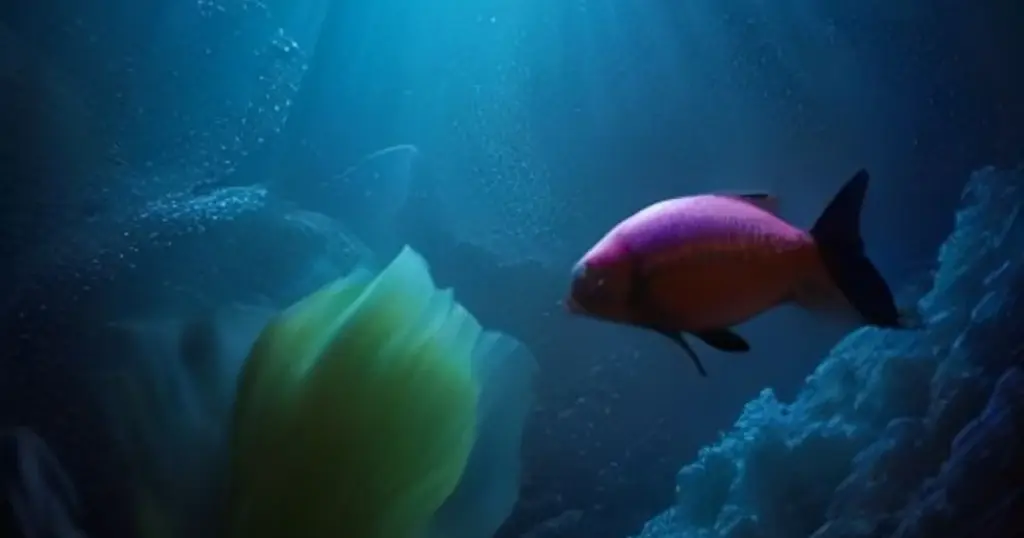
- In the realm of digital security, where predictability can be a system’s Achilles’ heel, ensuring true randomness is a critically important task.
- Traditionally, various sources, including natural randomizers like Brownian motion, have been employed for generating random numbers.
- This concept is rooted in observing the dynamics of an underwater environment.
Innovations in Random Number Generation
In the realm of digital security, where predictability can be a system’s Achilles’ heel, ensuring true randomness is a critically important task. If a bot can predict generated random numbers in advance, security mechanisms like CAPTCHAs lose their effectiveness, becoming an illusion of safety. This imperative drives developers to continuously seek new, unpredictable sources of entropy.
An Unexpected Solution for Robust Security
Traditionally, various sources, including natural randomizers like Brownian motion, have been employed for generating random numbers. However, two years ago, an idea emerged that was initially met with amusement by colleagues but ultimately proved highly promising: the utilization of fish-bubble entropy.
This concept is rooted in observing the dynamics of an underwater environment. Fish, moving bubbles, light caustics on the seabed, and swaying algae create a constantly shifting visual tapestry that no mathematical model can predict. This natural chaos, captured and digitized, can serve as a powerful and unpredictable source of random data for systems requiring a high degree of security, such as Key Management Systems (KMS). Implementing such a unique entropy source significantly enhances system resilience against hacking attempts, providing robust protection against predictable attacks.


I’ve been playing around with this concept for a while now, not for KMS necessarily, but for some probabilistic art installations. It’s fascinating how much genuine randomness you can extract from seemingly simple biological systems. The biggest challenge I’ve found is standardizing the camera input and filtering out environmental noise that isn’t directly related to the fish/bubbles. My tip: don’t underestimate the impact of subtle lighting changes on your entropy pool; consistent illumination is key, or you risk introducing bias from external factors.