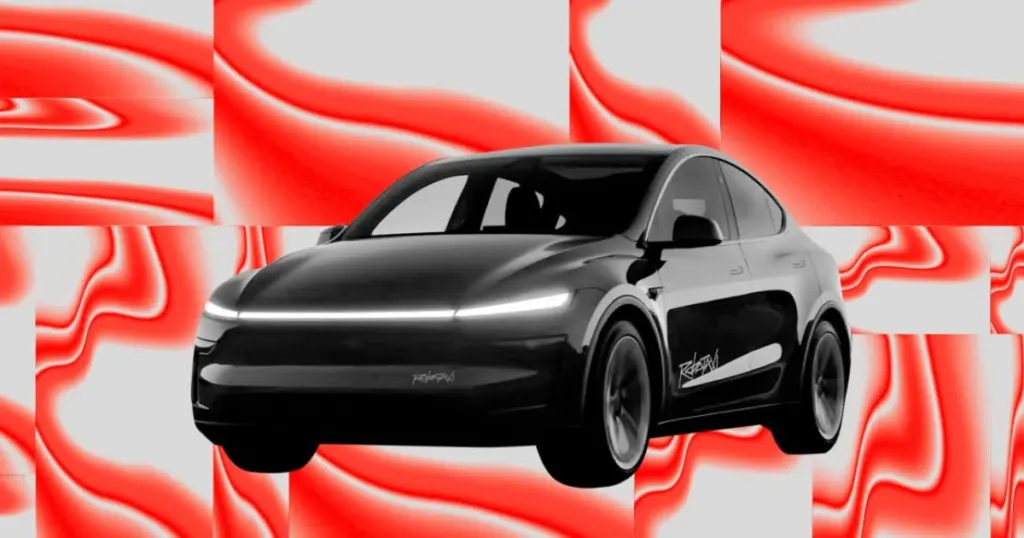
- Tesla Robotaxis in Austin, Texas, have reportedly transitioned to a fully unsupervised operational model.
- This development comes approximately seven months after Elon Musk’s initial announcement regarding the operation of Tesla Robotaxis without human oversight in Austin.
- The successful deployment of fully unsupervised Tesla Robotaxis in Austin marks a crucial milestone in the lead-up to the anticipated launch of the Cybercab service.
Tesla’s Autonomous Leap: Unsupervised Robotaxis in Austin
Tesla Robotaxis in Austin, Texas, have reportedly transitioned to a fully unsupervised operational model. According to Ethan McKanna, creator of the crowdsourced Robotaxi Tracker, all 170 monitored rides over the past two weeks in Austin were completed without human safety monitors onboard. These journeys involved 54 distinct vehicles, signaling a significant advancement in the deployment of Tesla’s autonomous driving technology.
Expansion of Driverless Operations Beyond Austin
This development comes approximately seven months after Elon Musk’s initial announcement regarding the operation of Tesla Robotaxis without human oversight in Austin. The current data strongly indicates a complete shift to driverless operations within the city. Furthermore, a notable surge in unsupervised Tesla robotaxis has been observed in other Texan cities, including Dallas and Houston, with approximately 30 driverless Tesla vehicles noted in the past week alone. This expansion highlights Tesla’s concerted effort to broaden the reach of its autonomous fleet.
Paving the Way for Cybercab
The successful deployment of fully unsupervised Tesla Robotaxis in Austin marks a crucial milestone in the lead-up to the anticipated launch of the Cybercab service. This achievement underscores the increasing reliability and safety of Tesla’s autonomous systems, bringing the vision of widespread fully autonomous public transportation closer to reality.


This is fascinating! I’m really curious about the specific types of edge cases these unsupervised robotaxis are now confidently handling. Are there particular traffic scenarios or weather conditions where they’ve shown significant improvement? Also, how is Tesla collecting and integrating feedback from these fully driverless operations to further refine the Cybercab’s capabilities? I’d love to hear more about the data collection and learning loop.