Enhanced Account Access: Google Embraces Selfie Video for Login
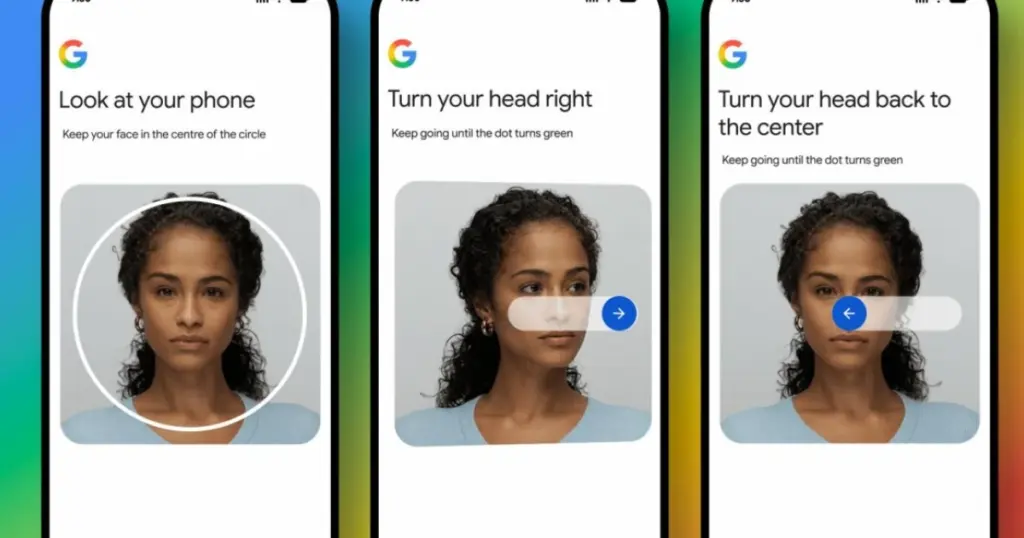
Google has officially rolled out an additional method for users to regain access to their accounts: selfie video. This innovative feature addresses common scenarios where users might find themselves locked out, have forgotten their password, or lack access to their usual devices, such as phones or computers, and two-factor authentication applications.
How Selfie Video Login Works
The process of logging into a Google account via selfie video involves capturing a brief video of the user’s face. This functionality is accessible on both mobile devices and PCs. While the mechanism bears resemblance to the setup of Face ID on Apple devices, it notably operates without the need for infrared sensors, making it broadly compatible across various hardware platforms.
This latest addition to Google’s authentication options underscores the company’s commitment to enhancing both security and user convenience, offering more flexible pathways for account recovery and access management.
Google’s introduction of selfie video login, while enhancing accessibility for account recovery, raises critical questions regarding biometric data handling and potential vectors for deepfake exploitation. The absence of infrared sensors, as seen in Face ID, implies a reliance on 2D facial recognition, which historically presents a higher susceptibility to spoofing attacks. This trade-off between convenience and robust liveness detection merits thorough scrutiny from a security architecture perspective, particularly concerning the algorithmic sophistication employed for anti-spoofing measures and data retention policies.