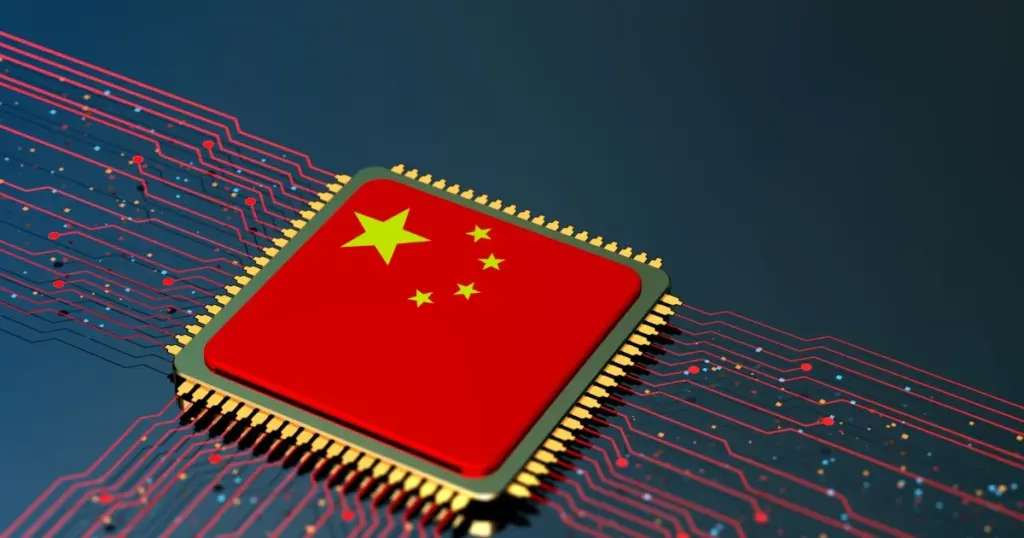
US Treasury Considers Sanctions Against Chinese AI for Intellectual Property Theft
The U.S. Treasury Department is actively exploring the imposition of sanctions against Chinese companies developing artificial intelligence models, citing allegations of intellectual property theft. Treasury Secretary Scott Bessent stated that the administration has found “watermarks” of American technology within Chinese AI models, indicating potential misuse.
This initiative extends the Trump administration’s campaign to slow China’s AI advancements. White House officials specifically accused Moonshot of distilling Anthropic’s Fable model to develop Kimi K3, which has been a significant factor in the consideration of sanctions.
Nvidia CEO Jensen Huang Opposes Banning Chinese AI
Concurrently, Nvidia CEO Jensen Huang has voiced his disagreement with the notion of banning Chinese AI models in the U.S. In an interview with Axios, Huang emphasized that American companies should be permitted to utilize Chinese AI technologies. He suggested that the U.S. has nothing to fear from Chinese AI itself, but rather from campaigns aimed at prohibiting it, which he believes could make the world “only more dangerous.”
Huang contends that such restrictions pose risks to the global technological landscape, advocating for open collaboration and competition instead of outright bans.
The Treasury’s focus on IP theft, specifically citing ‘watermarks’ and the Kimi K3’s alleged derivation from Anthropic’s Fable, highlights a critical, escalating challenge in AI development. Jensen Huang’s counter-argument, emphasizing the dangers of prohibition over open competition, underscores the complex geopolitical and technological implications. Restricting access could inadvertently accelerate China’s indigenous development of alternative, potentially less transparent, foundational models, creating a more fragmented and less secure global AI ecosystem rather than containing it.