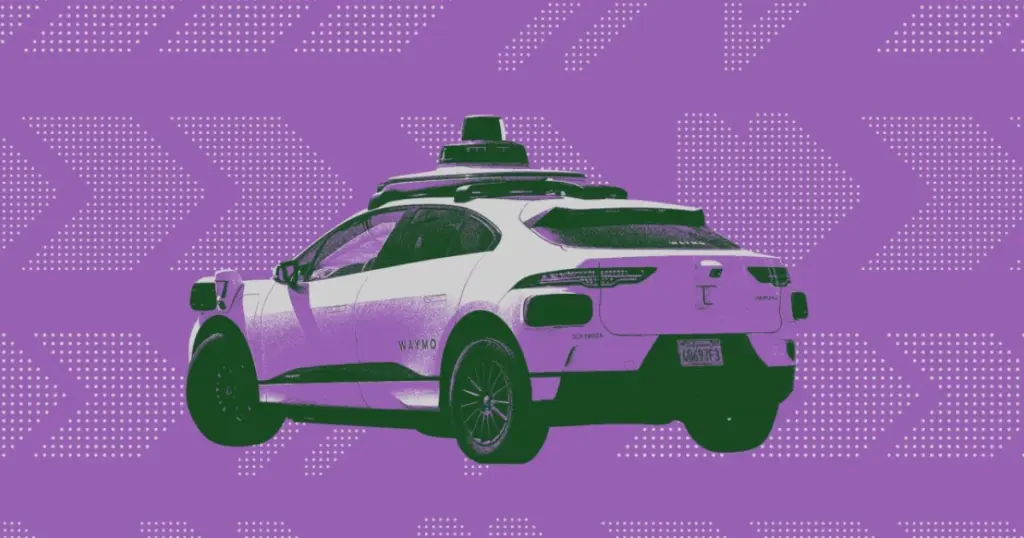
Autonomous Vehicles: Waymo’s Safety Record Against Human Drivers
Waymo, a leader in autonomous vehicle technology, has released new data reaffirming its long-held assertion that its driverless cars are demonstrably safer than vehicles operated by humans. This latest dataset is intended to bolster the company’s position as policymakers continue to deliberate the safety implications and economic benefits of autonomous transportation.
Waymo’s Accident Statistics
The company reported that its robotaxis have collectively traveled 436 million kilometers in fully autonomous mode. During this extensive operational period, accidents resulting in injuries occurred 82% less frequently than those involving human-driven vehicles. This finding is central to Waymo’s argument for the superior safety performance of its technology.
Expert Scrutiny and the Future of Autonomous Driving
While Waymo leverages this data to gain broader support, some experts highlight a limitation in the provided statistics: the absence of data on traffic incidents that, while not involving injuries, nonetheless disrupt traffic flow. These ongoing discussions underscore the complexity of fully assessing autonomous driving safety and the importance of a comprehensive analysis that considers all interactions between self-driving systems and the road environment.
It’s fascinating to see Waymo’s continued data showing superior safety. I’m curious, how do they account for the types of non-injury incidents that might still cause significant traffic disruption compared to human drivers? And what methodologies are being developed to standardize the reporting of those less severe, but still impactful, events across the industry? I’d love to hear others’ thoughts on this measurement challenge.