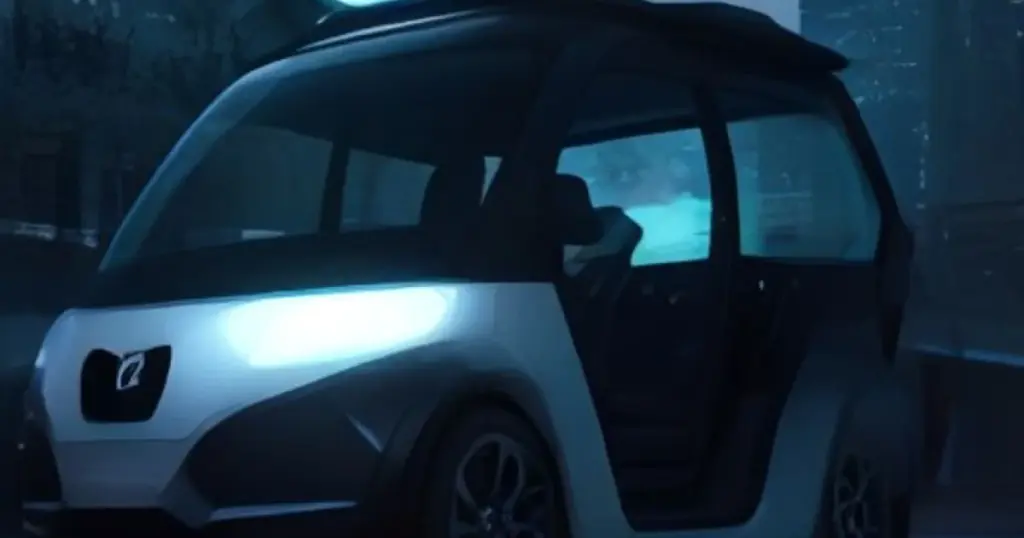
Zoox Secures Regulatory Approval for Commercial Operations
Amazon-owned autonomous vehicle company Zoox has successfully navigated the final federal regulatory obstacle, receiving a temporary exemption from U.S. safety regulators. This crucial approval paves the way for Zoox to commence charging customers for rides in its purpose-built robotaxis, marking a significant milestone for the firm and the broader autonomous vehicle industry.
NHTSA Grants Exemption for Steering-Wheel-Free Vehicles
The National Highway Traffic Safety Administration (NHTSA) announced its decision to grant Zoox a temporary exemption, allowing the deployment of up to 2,500 of its distinctive, steering-wheel-less vehicles annually over the next two years. This makes Zoox the first entity to receive such permission for commercial passenger transport in a vehicle devoid of traditional manual controls, enabling the company to operate its service on a commercial basis.
Implications for the Autonomous Mobility Sector
The NHTSA’s decision underscores a growing regulatory confidence in the safety and operational capabilities of Zoox’s autonomous technology. It sets a precedent for the future of urban transportation, potentially accelerating the adoption and integration of self-driving car services. With this approval, Zoox is now authorized to levy charges for its robotaxi rides, transitioning from testing phases to a fully commercial model.
While the regulatory approval for Zoox is a notable step, I can’t help but wonder about the real-world scalability and cost-effectiveness of these steering-wheel-less robotaxis. Operating 2,500 vehicles annually seems like a drop in the ocean for true urban mobility, and I imagine the operational costs, especially in diverse weather conditions and complex urban environments, will be substantial. The article highlights regulatory confidence, but practical implementation challenges and the path to widespread affordability remain significant hurdles, in my opinion.