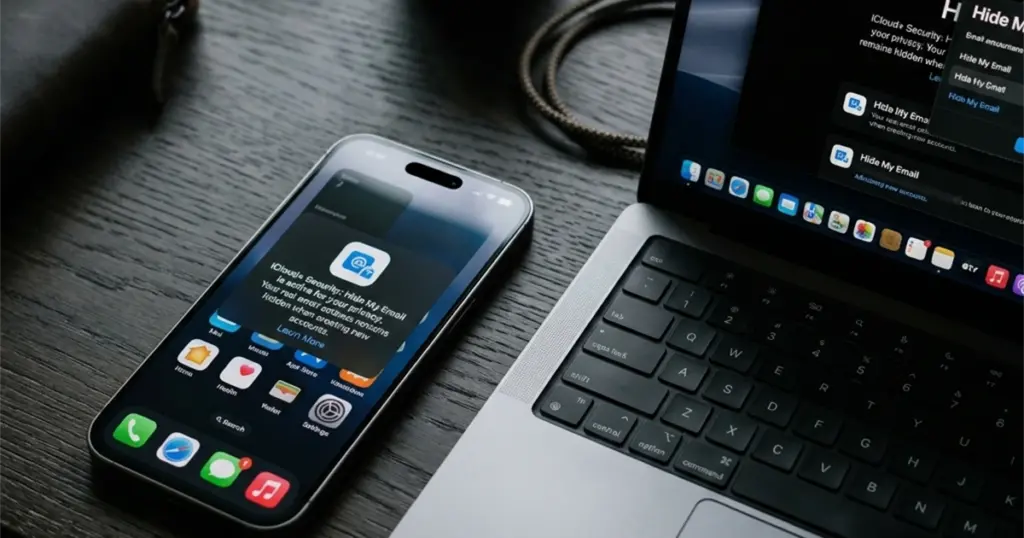
Apple Addresses Privacy Flaw in iCloud+ Service
Apple has reportedly resolved a significant vulnerability within its Hide My Email feature, a core component of the iCloud+ subscription. Introduced in 2021 to enhance user privacy, this service allows individuals to generate unique, randomized email addresses, effectively shielding their primary inbox from spam and unwanted communications. However, a flaw was identified that compromised the very purpose of the feature by potentially exposing real user email addresses.
Vulnerability Details and Resolution
The vulnerability allowed a user’s genuine iCloud+ email address to be revealed if an email sent to the generated proxy address was subsequently rejected as spam. Apple confirmed that a software update, which fully rectifies this issue, was released on July 3. This patch aims to restore the intended level of privacy for subscribers utilizing the service.
Lingering Risks for Users
Despite the prompt resolution, cybersecurity experts caution that the risk for Hide My Email users cannot be considered entirely eradicated. There remains a potential for real email addresses linked to proxy addresses to be disclosed through mail transfer logs for emails sent before July 7, 2026. This implies that data potentially compromised prior to the fix could remain vulnerable for a specified period.
The Importance of Hide My Email for Privacy
The Hide My Email feature serves as a crucial tool for users aiming to safeguard their personal information online. It enables registration for various services and newsletters without exposing a primary email address, thereby reducing the risk of phishing attempts and unsolicited marketing. The resolution of this vulnerability reinforces confidence in Apple’s privacy tools, while also underscoring the ongoing need for vigilance in the digital landscape.
This is really interesting to hear about the Hide My Email vulnerability. It makes me wonder about the broader implications for other privacy features that rely on proxy addresses. Are there similar vulnerabilities that could exist in other services? Also, the mention of mail transfer logs keeping information until 2026 is quite a long window. What kind of data is typically stored in those logs that could reveal an email address after all this time? I’d love to hear others’ thoughts on this.