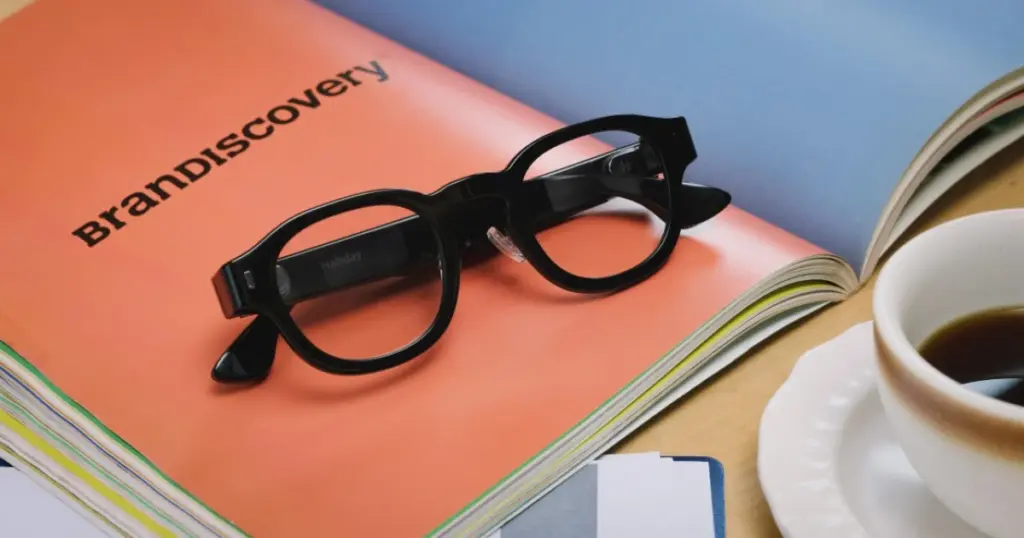
Halliday’s Redemption: New Smart Glasses Address Past Display Flaws
Halliday has introduced its second-generation smart glasses, aiming to rectify the shortcomings of its initial model launched at CES 2025. The predecessor garnered significant criticism for its problematic display, described as a tiny, movable window within the frame that was challenging to view and led to user discomfort.
Enhanced Display Technology for User Comfort
The original Halliday smart glasses, while an intriguing concept, suffered from poor execution, particularly concerning the display. Reviewers highlighted the difficulty in seeing content, which resulted in eye strain during extended use. This led to the product being widely considered among the worst smart glasses of 2025.
With this new iteration, Halliday seeks to overcome its previous reputation by focusing on a much-improved display experience. The company’s objective is to deliver a more comfortable and functional visual interface, addressing the critical issues that plagued the first generation and positioning the updated device more competitively in the wearable technology market.
While it’s encouraging to hear Halliday is addressing the display issues, I remain cautiously optimistic. ‘Drastically improved’ is a strong claim, but the core challenge of integrating a truly comfortable and high-resolution display into a fashionable form factor at a reasonable price point hasn’t fundamentally changed. I wonder if these improvements come with significant trade-offs in battery life, weight, or a prohibitive cost, making them inaccessible for most. The past failures suggest a deep-seated technological hurdle that might not be easily overcome in a single generation.